
What's Happening?
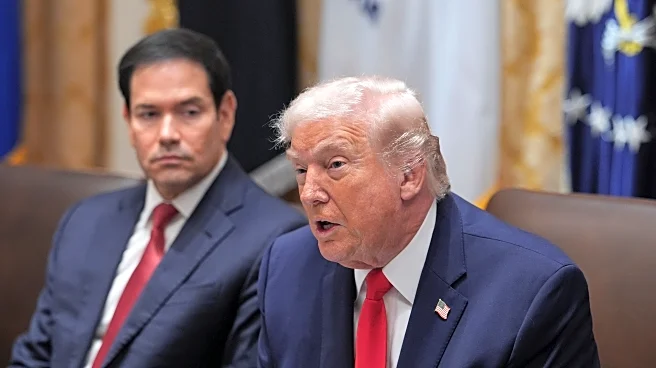
A federal court has ordered the resumption of all U.S. offshore wind construction projects that were previously halted by the Trump administration. The administration had blocked these projects citing
a classified national security risk, but the companies involved sued, resulting in a temporary injunction allowing construction to continue. This legal battle involved five offshore wind projects, with the Department of the Interior initially blocking two of them. The court's decision comes after multiple lawsuits were filed in different courts, all resulting in the same outcome. The Trump administration has been known for its opposition to renewable energy, particularly wind power, and had issued an executive order blocking permits for offshore wind projects, which was later deemed arbitrary and capricious by the court.
Why It's Important?
The court's decision to allow the continuation of offshore wind projects is significant for the renewable energy sector in the U.S. It highlights the ongoing legal and political challenges faced by renewable energy initiatives under the Trump administration. The ruling supports the growth of the wind energy sector, which is crucial for meeting the country's renewable energy targets and reducing reliance on fossil fuels. The decision also underscores the judiciary's role in checking executive actions that may hinder environmental progress. This development could encourage further investment in renewable energy projects, contributing to job creation and economic growth in the sector.
What's Next?
With the court's ruling, construction on the offshore wind projects is set to resume, potentially leading to increased capacity for renewable energy generation in the U.S. The decision may prompt further legal and political debates regarding the balance between national security concerns and environmental policies. Stakeholders in the renewable energy sector, including companies and environmental groups, are likely to continue advocating for supportive policies and regulations. The outcome of this case could influence future legal challenges and policy decisions related to renewable energy projects in the U.S.