




What's Happening?
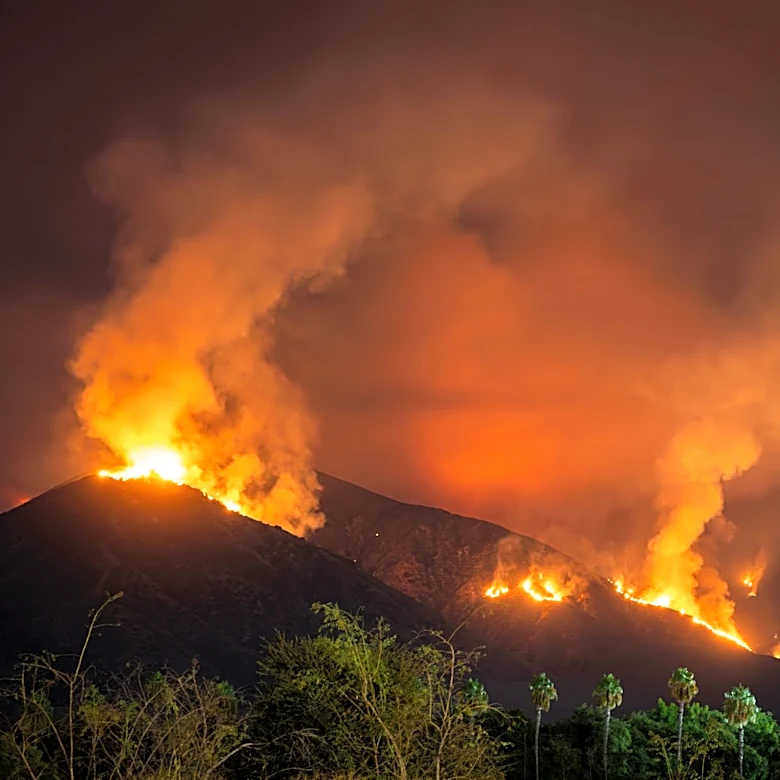
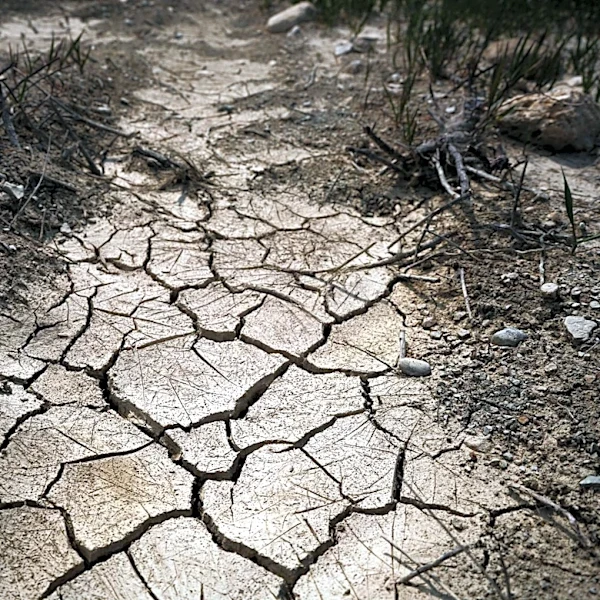
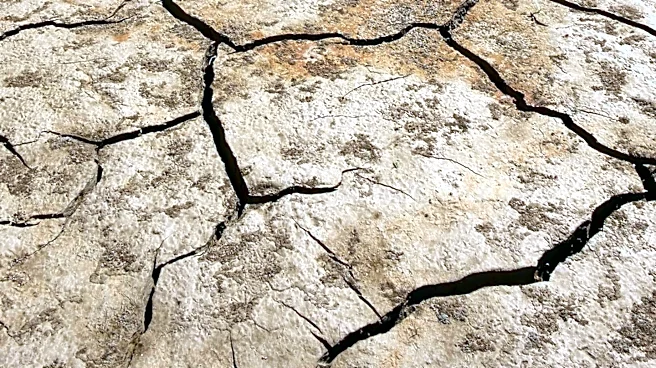
Greece is experiencing its first major heatwave of 2026, with temperatures approaching 43°C. The Hellenic National Meteorological Service has issued warnings about extreme heat, increased wildfire risk, and health dangers for residents and tourists. The heatwave is expected
to last until Wednesday, affecting central Greece, Thessaly, and the Peloponnese. Coastal areas remain slightly cooler due to sea breezes. Authorities have implemented measures to protect vulnerable groups, including restrictions on outdoor work and opening air-conditioned public facilities.
Why It's Important?
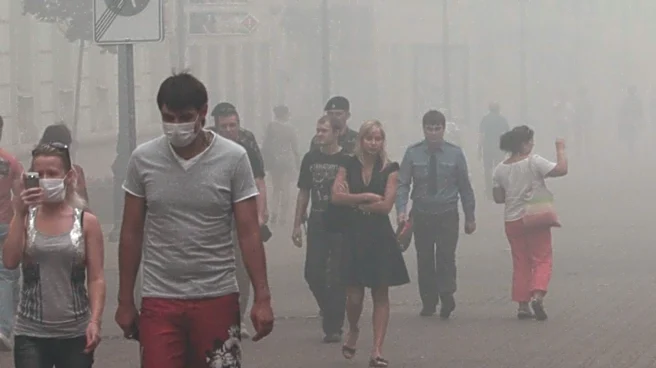
The heatwave underscores the growing impact of climate change, with extreme weather events becoming more frequent and severe. It poses significant health risks, particularly for the elderly, children, and those with chronic conditions. The situation highlights the need for effective public health strategies and infrastructure to cope with such events. The tourism industry, a vital part of Greece's economy, may also be affected as visitors face challenging conditions. The increased wildfire risk poses a threat to both natural landscapes and human settlements.
What's Next?
Meteorologists expect the heatwave to continue for several days, with temperatures gradually moderating later in the week. Authorities will likely maintain and possibly expand emergency measures to ensure public safety. The government may also focus on long-term strategies to enhance resilience against climate change impacts. Public awareness campaigns will continue to emphasize safety precautions for both residents and tourists. The situation may prompt discussions on climate policy and the need for international cooperation to address global warming.