






What's Happening?
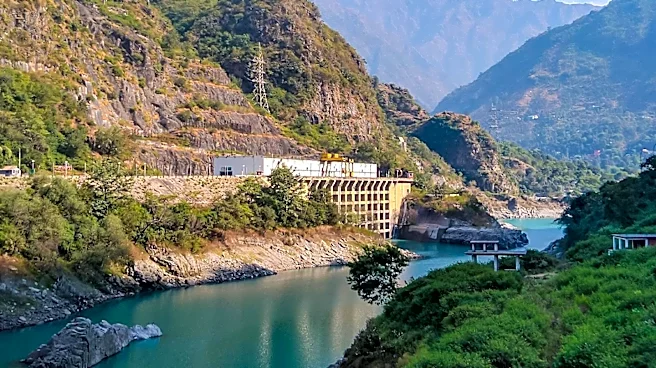
A tunnel under construction at the Vishnugad-Pipalkoti hydroelectric project in India's northern hill state of Uttarakhand collapsed overnight, leading to the deaths of at least seven workers. The incident, which occurred due to a sudden rush of water
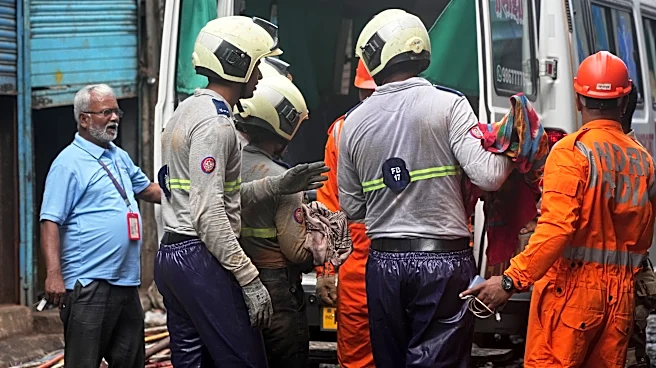
and debris, also resulted in 12 workers being rescued, while three others remain missing. Rescue operations are being conducted by multiple agencies, including national and state Disaster Response Forces, the Indo-Tibetan Border Police, and fire services, who are contending with challenging conditions such as rising water levels and debris. This event highlights the inherent risks associated with large-scale infrastructure projects in geologically sensitive areas, particularly in the Himalayan region, where construction accidents are noted to be common.
Why It's Important?
This tragic tunnel collapse underscores the critical safety challenges and risks prevalent in India's ambitious infrastructure development initiatives, especially in regions with fragile geology like the Himalayas. The incident, which adds to a history of similar construction accidents in the country, points to potential issues with construction practices, geological assessments, and adherence to safety standards. The loss of life emphasizes the urgent need for enhanced regulatory oversight, stricter enforcement of safety protocols, and comprehensive risk assessments to protect workers in hazardous environments. Such events can also lead to project delays, increased scrutiny from both domestic and international bodies, and a reevaluation of the economic and human costs associated with rapid infrastructure expansion in vulnerable areas.
What's Next?
Rescue operations are continuing with urgency to locate the three missing workers, as teams battle against the difficult conditions of rising water and debris within the collapsed tunnel. Authorities are expected to launch a thorough investigation into the cause of the collapse, which will likely examine construction methods, geological stability, and adherence to safety regulations. This incident may prompt renewed calls for stricter safety measures and more rigorous oversight for infrastructure projects across India, particularly those in seismically active and geologically complex regions. Potential outcomes could include policy reviews, enhanced training for construction workers, and increased accountability for project developers and contractors to prevent future tragedies.
Beyond the Headlines
The recurring nature of construction accidents in India, particularly in the Himalayan region, suggests systemic issues that extend beyond individual project failures. The drive for rapid infrastructure growth, while essential for economic development, often confronts the realities of challenging terrains and can sometimes compromise safety standards. This situation raises profound ethical questions about the balance between national development goals and the paramount importance of worker safety and environmental protection. Long-term implications could include a shift towards more resilient and environmentally conscious engineering practices, greater public demand for transparency in project execution, and potentially, a re-evaluation of the pace and scale of development in ecologically sensitive areas to mitigate human and environmental risks.