




What's Happening?
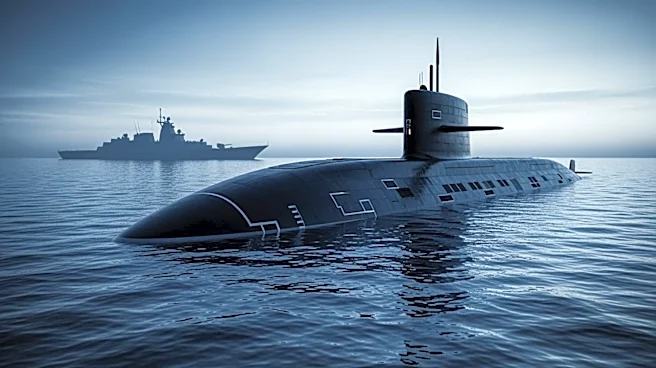
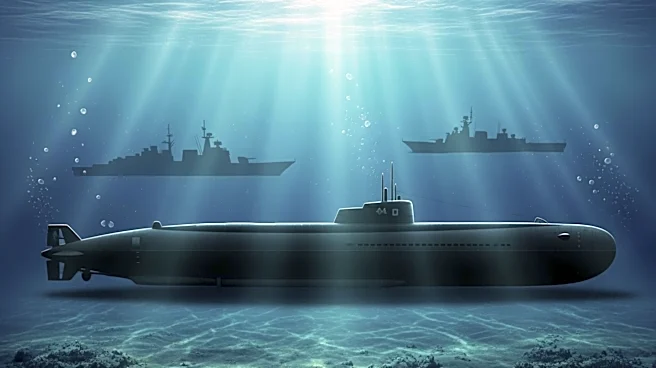
The U.S. Navy showcased its ability to rapidly adapt to changing warfare needs by deploying a submarine that sank an Iranian warship. According to Adm. Daryl Caudle, the Chief of Naval Operations, the submarine was trained and dispatched on short notice,
highlighting the Navy's agility. This operation involved the attack submarine Charlotte, which fired torpedoes at the Iranian frigate Dena off Sri Lanka, marking the first time since World War II that a U.S. submarine sank an enemy vessel with a torpedo. The Navy's approach emphasizes sending tailored forces rather than traditional deployment cycles, allowing for quick adaptation to battlefield challenges.
Why It's Important?
This development underscores the U.S. Navy's strategic shift towards more flexible and rapid response capabilities, which are crucial in modern warfare. By focusing on adaptability, the Navy aims to maintain a tactical edge over adversaries. This approach could influence future military strategies and procurement processes, emphasizing the need for quick integration of new technologies and tactics. The ability to rapidly reconfigure forces and adapt to new threats is seen as a key factor in achieving combat success, potentially reshaping military operations and defense policies.
What's Next?
The Navy plans to continue developing its adaptability by integrating new technologies and refining its operational strategies. This includes the Fleet Introduction Operating System, which aims to streamline updates to naval systems. The success of these initiatives will depend on sustained investment and institutional support. The Navy's focus on rapid adaptation may lead to changes in how military forces are organized and deployed, with potential implications for defense contractors and international military collaborations.