





What's Happening?
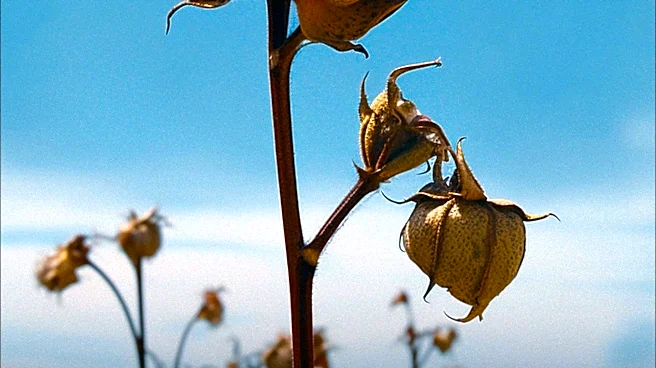
Researchers have successfully traced the birthplace of upland cotton (Gossypium hirsutum), the dominant cotton species globally, to the Yucatán Peninsula in Mexico. This discovery, published in a recent paper co-authored by Jonathan Wendel and Corrinne
Grover of Iowa State University, confirms previous suggestions about the origin of domestication, estimated to have begun approximately 5,000 years ago. The study also revealed a significant lack of genetic diversity in modern cultivated cotton compared to its wild populations in the Yucatán. Wild cotton plants were found to possess twice as many genetic differences as modern cultivars, suggesting a valuable reservoir of traits that could enhance the resilience of domesticated varieties.
Why It's Important?
This research holds significant importance for the agricultural industry and global food security. Upland cotton accounts for 90% of the world's cotton production, used in textiles, currency, medical supplies, and even food products. The discovery of its genetic origin and the identification of rich genetic diversity in wild populations offer a critical opportunity to improve the crop's resilience against emerging threats. Modern cotton faces challenges such as diseases, pests, rising temperatures, and water scarcity, as evidenced by widespread crop losses in regions like the Texas High Plains. By reintroducing genes from wild varieties, breeders can develop new cultivars with enhanced resistance and adaptability, ensuring the long-term sustainability and productivity of this vital crop.
What's Next?
The findings from this research are expected to inform future cotton breeding programs. Geneticists and cotton breeders, like David Stelly of Texas A&M University, will likely explore ways to capture and integrate valuable traits from the wild Yucatán populations into cultivated species. This process could involve advanced genetic techniques to identify and transfer genes responsible for disease resistance, drought tolerance, or other beneficial characteristics. The research also underscores the urgent need for biodiversity conservation, particularly in regions where wild plant populations are threatened by human development. Protecting these natural genetic reservoirs will be crucial for the continued improvement and adaptation of agricultural crops worldwide.
Beyond the Headlines
Beyond its immediate agricultural implications, this study highlights the broader ecological and ethical considerations surrounding biodiversity. The researchers' warning that wild cotton is under threat from human activities emphasizes the irreversible loss of genetic resources that can occur with habitat destruction. This loss not only impacts specific crops but also diminishes the overall resilience of global ecosystems. The analogy of genetic testing for human ancestry used by Wendel subtly connects the scientific endeavor to a deeper understanding of origins and heritage, whether for plants or people. The research serves as a powerful reminder of the interconnectedness of natural systems and the long-term consequences of human actions on the planet's biological wealth, urging a more proactive approach to conservation and sustainable development.