




What's Happening?
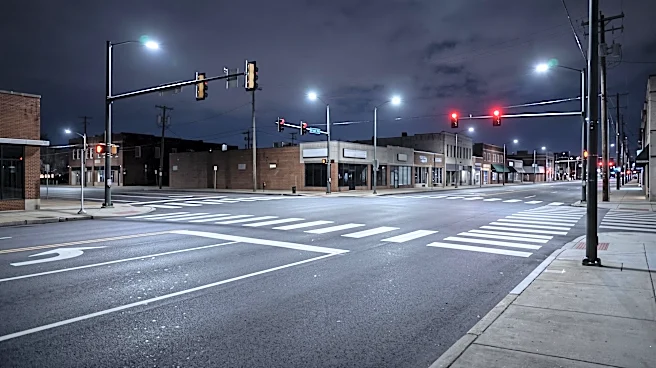
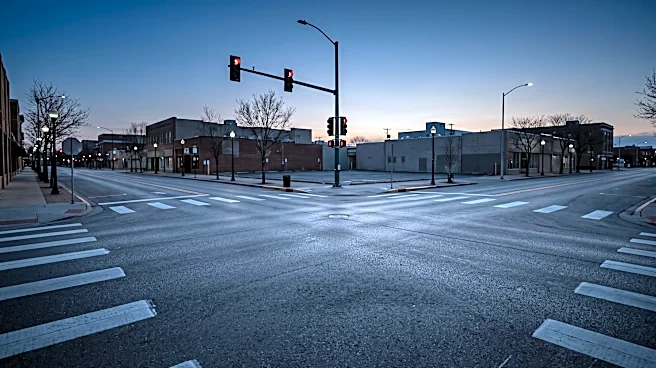
A man riding a bicycle was killed in a collision with a car at the intersection of 1000 East and 800 South in Salt Lake City. The incident occurred just before 6:15 p.m. on Tuesday, according to Lt. Steve Woodbridge of the Salt Lake City Police Department.
The bicyclist reportedly hit the car. The driver of the vehicle remained at the scene following the crash. The intersection was closed for an extended period to allow a critical crash team to conduct a thorough investigation into the circumstances surrounding the fatal collision.
Why It's Important?
This fatal bicycle-car collision highlights critical issues regarding road safety, urban infrastructure, and the coexistence of different modes of transportation in U.S. cities. The incident underscores the vulnerability of bicyclists and pedestrians in traffic, emphasizing the need for improved safety measures, such as dedicated bike lanes, clearer intersection designs, and enhanced driver and cyclist awareness campaigns. For Salt Lake City, it may prompt a review of traffic patterns and infrastructure at this specific intersection and potentially others, to prevent future tragedies. The incident also brings to the forefront the ongoing debate about urban planning that prioritizes safety for all road users, not just motorists, and the legal and ethical responsibilities of drivers and cyclists alike.
What's Next?
The Salt Lake City Police Department's critical crash team will continue its investigation to determine the exact cause and contributing factors of the collision. This investigation will likely involve analyzing evidence from the scene, interviewing witnesses, and potentially reviewing any available surveillance footage. The findings could lead to recommendations for infrastructure improvements, changes in traffic regulations, or public awareness campaigns aimed at enhancing road safety for both cyclists and drivers. Depending on the outcome of the investigation, legal proceedings may follow. The incident will also likely reignite discussions among local advocacy groups, urban planners, and city officials about strategies to create safer and more accessible urban environments for all modes of transportation.
Beyond the Headlines
Beyond the immediate tragedy, this incident touches upon broader societal trends concerning urban development and sustainable transportation. As U.S. cities increasingly encourage cycling as an environmentally friendly and healthy mode of transport, the safety of cyclists becomes paramount. This collision underscores the systemic challenges in integrating cycling infrastructure into existing urban layouts, particularly in areas not originally designed for high volumes of bicycle traffic. It also raises questions about public perception of road sharing, the enforcement of traffic laws for all users, and the cultural shifts required to foster a more respectful and safe environment for cyclists. The long-term implication is a continued push for comprehensive urban planning that prioritizes multi-modal safety and promotes a culture of shared responsibility on the roads.