







What's Happening?
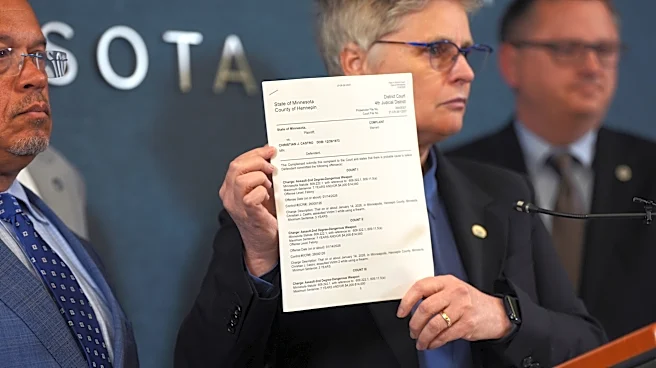
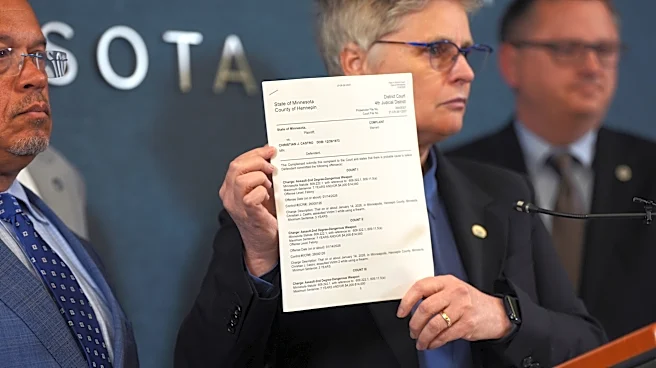
ICE agent Christian Castro has been released from a Texas jail after reaching the 90-day legal limit for holding an individual awaiting extradition, despite an ongoing request from Minnesota. Castro was arrested by Texas Rangers in May on a Minnesota warrant,
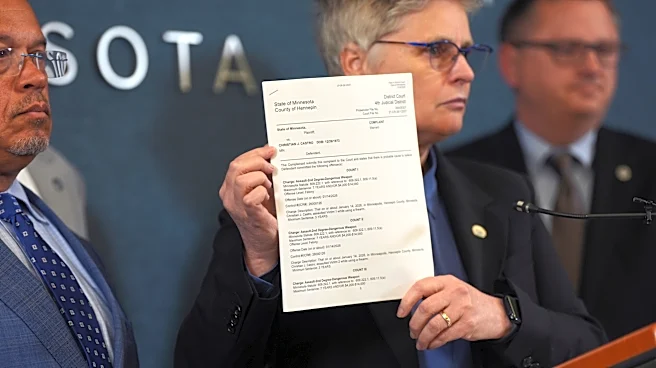
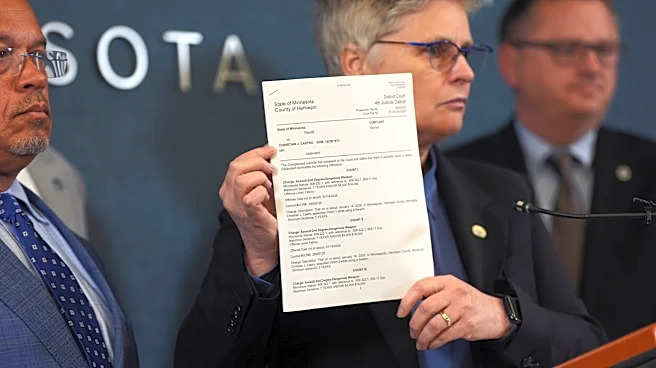
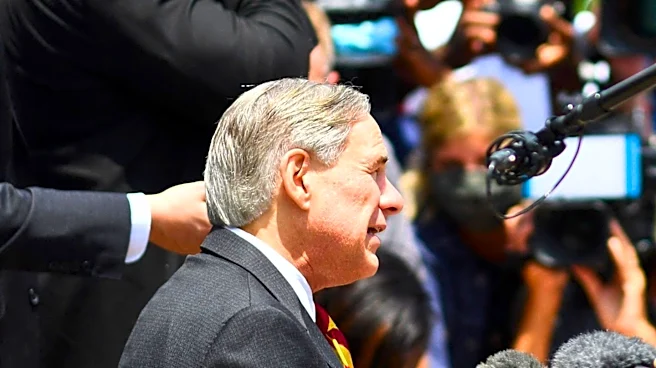
which stemmed from charges of shooting a man and lying about the incident during an immigration enforcement operation in Minneapolis in January. Minnesota prosecutors charged Castro with four felony assault charges and a misdemeanor charge of falsely reporting a crime, asserting that surveillance video and other evidence contradicted his account. Minnesota Governor Tim Walz formally requested Castro's extradition, but Texas Governor Greg Abbott has expressed "serious concerns" about the request, questioning whether Castro qualifies as a fugitive since he claims Castro returned to Texas for work, not to evade prosecution. A federal judge declined Minnesota's request to prevent Castro's release, stating the lawsuit was premature as Governor Abbott had not yet made a final decision on the extradition.
Why It's Important?
This case highlights a significant legal and political dispute between two states regarding extradition laws and the definition of a 'fugitive.' Minnesota argues that Castro's presence in Texas after being charged in Minnesota automatically qualifies him as a fugitive, citing Supreme Court precedent that a person does not need to consciously flee to avoid prosecution. Governor Abbott's stance, however, introduces a challenge to this interpretation, potentially setting a precedent for how states handle extradition requests, especially when federal agents are involved. The release of Castro without extradition could undermine the principle of interstate cooperation in criminal justice and raise questions about accountability for law enforcement officers accused of crimes. This situation also brings to the forefront the complexities of federal and state jurisdiction, particularly in cases involving federal agents and alleged misconduct.
What's Next?
Christian Castro's release does not eliminate the charges against him in Minnesota or the extradition request. Minnesota has sued Governor Abbott to compel the extradition, and while a federal judge deemed the lawsuit premature, the legal battle is likely to continue. Governor Abbott's office stated that an investigation into Castro's fugitive status is ongoing, and if he is determined to be a fugitive, a Governor's warrant will be executed. This suggests that the situation remains fluid, with potential for future arrest and extradition. The dispute could escalate further, possibly leading to higher court intervention to resolve the constitutional questions surrounding extradition and the definition of a fugitive. The outcome will have implications for interstate legal processes and the accountability of federal agents.
Beyond the Headlines
The dispute between Texas and Minnesota over Christian Castro's extradition delves into fundamental constitutional principles regarding interstate relations and the balance of power between state governors and the federal judiciary. The U.S. Constitution's Extradition Clause mandates the return of individuals who 'flee from Justice' to the state where they are charged. Governor Abbott's questioning of Castro's fugitive status, despite Supreme Court rulings that broaden the definition, introduces a political dimension to a typically administrative process. This case could set a precedent for how states interpret and apply extradition laws, potentially impacting future cases involving individuals who cross state lines after alleged criminal acts. Furthermore, the involvement of an ICE agent and allegations of misconduct during an immigration enforcement operation add layers of complexity, touching upon issues of federal authority, law enforcement accountability, and the rights of individuals involved in such operations.