







What's Happening?
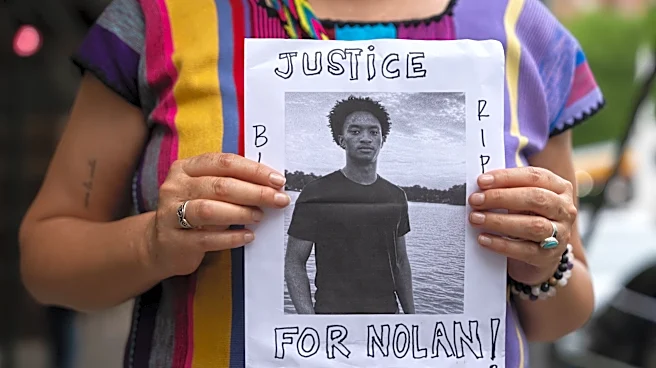
Nolan Wells, an 18-year-old from Mississippi, was found dead after a boat trip to Horn Island with friends on July 4. The investigation into his death has been ongoing since his disappearance was reported that night. Wells, a recent high school graduate
and college football player, was last seen on the island, a popular but remote destination. His body was discovered days later in the water, prompting a shift from a missing person case to a death investigation. The circumstances surrounding his death have raised questions, particularly due to Mississippi's racial history and Wells being the only person of color in the group. His family, seeking transparency, has retained civil rights attorney Ben Crump and requested an independent autopsy.
Why It's Important?
The case has garnered significant public attention, highlighting issues of racial tension and the need for transparency in investigations involving minority individuals. The involvement of high-profile figures like Ben Crump underscores the potential for this case to influence public discourse on racial justice and law enforcement practices. The outcome of the investigation could impact community trust in local authorities and set precedents for handling similar cases in the future. Additionally, the case has drawn attention to the safety and social dynamics of recreational activities in racially diverse groups.
What's Next?
Authorities continue to investigate the circumstances of Wells' death, including reviewing photos and videos from the day of his disappearance. The family awaits results from an independent autopsy, which could provide further insights into the cause of death. Public and media scrutiny is likely to persist, potentially influencing the pace and transparency of the investigation. The case may also prompt discussions on safety protocols and racial dynamics in social settings, particularly in areas with a history of racial tension.
Beyond the Headlines
The case of Nolan Wells highlights broader societal issues, including the challenges faced by people of color in predominantly white spaces. It also raises questions about the adequacy of current investigative practices in racially sensitive cases. The family's pursuit of an independent autopsy reflects a lack of trust in local authorities, a sentiment that could resonate with other minority communities. This case may lead to calls for policy changes or reforms in how such investigations are conducted, emphasizing the need for impartiality and thoroughness.