


What's Happening?
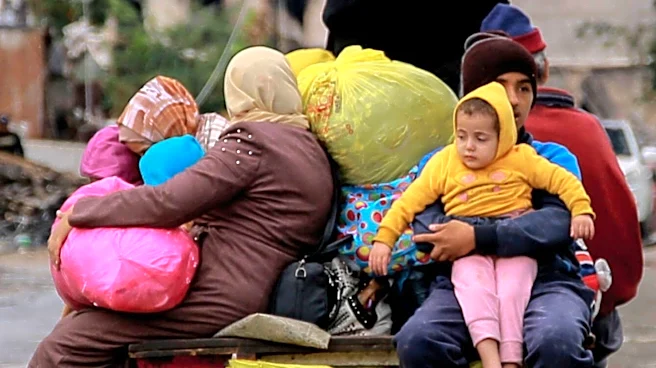
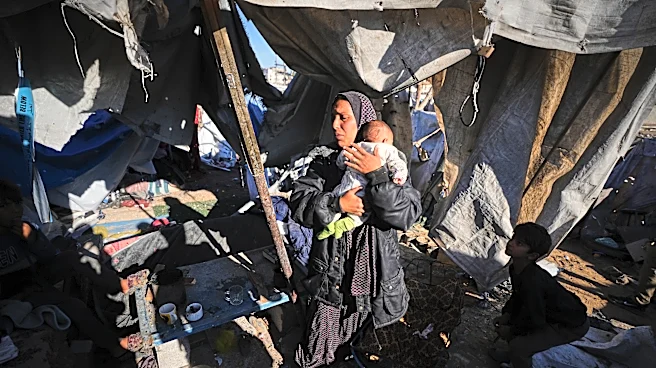
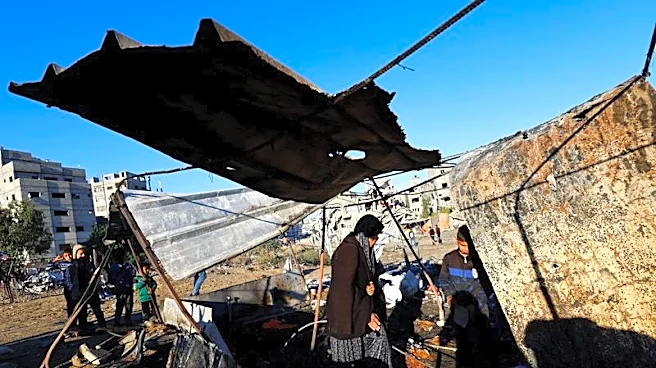
Gaza is experiencing a severe humanitarian crisis, with approximately 1.4 million Palestinians, or 67% of the population, facing crisis or worse levels of acute food insecurity as of July 2026, according to the Integrated Food Security Phase Classification
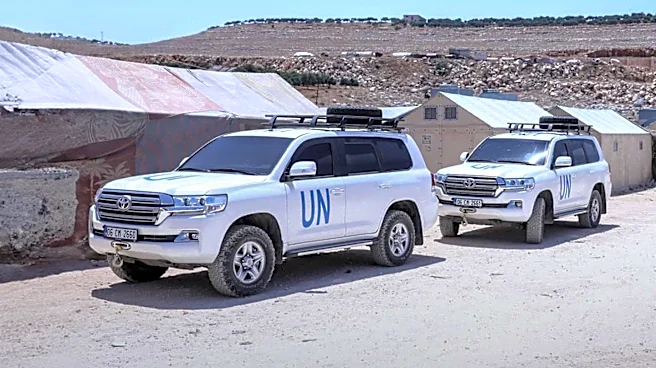
(IPC) analysis. Around 212,000 individuals are in emergency conditions, and further deterioration was anticipated in the latter half of the year. The World Food Programme (WFP) was compelled to reduce its food assistance in Gaza by one-third in October, impacting roughly half a million Palestinians and decreasing beneficiaries from 1.6 million to 1.1 million. This reduction involved halving food rations and cutting daily hot meals. The WFP attributed these cuts to both funding shortages and severe restrictions imposed by Israel on the entry of goods, including food and shelter materials, through crossings. The bakery sector has also been critically affected, with commercial flour stocks depleted and most bakeries ceasing operations due to Israel's refusal to allow commercial flour into Gaza.
Why It's Important?
The escalating food insecurity in Gaza represents a critical humanitarian emergency with significant geopolitical implications. The deliberate control over food entry and distribution, described as 'engineered starvation,' raises serious concerns about international humanitarian law and the protection of civilian populations in conflict zones. The reduction in WFP aid, coupled with Israeli restrictions, exacerbates an already dire situation, increasing the risk of widespread famine and public health crises. This situation places immense pressure on international bodies and humanitarian organizations, challenging their ability to provide essential aid. For the U.S., this crisis complicates diplomatic efforts in the Middle East, particularly concerning its relationship with Israel and its role in advocating for humanitarian access and civilian protection. The long-term consequences include potential regional instability, increased displacement, and a deepening of the humanitarian catastrophe, demanding urgent international attention and intervention.
What's Next?
The humanitarian situation in Gaza is expected to worsen without immediate and substantial changes in aid delivery and access. International organizations will likely continue to advocate for increased funding and the lifting of restrictions on goods entering Gaza. Pressure may mount on Israel from the international community, including the U.S., to ease restrictions on humanitarian and commercial supplies. The ongoing crisis in the bakery sector highlights the immediate need for commercial flour to prevent a complete collapse of basic food production. Without these interventions, the number of people experiencing severe food insecurity and emergency conditions is projected to rise, potentially leading to a full-blown famine. Diplomatic efforts will likely focus on negotiating more reliable and consistent humanitarian corridors and ensuring that aid reaches those most in need without political interference.
Beyond the Headlines
The concept of 'engineered starvation' points to a deeper, systemic issue where food and essential supplies are used as tools of pressure and subjugation. This goes beyond mere scarcity, indicating a deliberate policy of controlling the daily lives of an entire population. Such practices raise profound ethical and legal questions regarding the responsibilities of occupying powers under international law, particularly the Fourth Geneva Convention, which prohibits the starvation of civilians as a method of warfare. The crisis also exposes the vulnerabilities of humanitarian aid systems, which can be easily disrupted by political decisions and funding shortfalls. The long-term impact on Gaza's population will extend beyond immediate hunger, affecting health, development, and social stability for generations. This situation underscores the urgent need for robust international mechanisms to ensure accountability and prevent the weaponization of basic human needs in conflict settings.