





What's Happening?
Louisiana feminist activists convened at the annual Black Birth Matters conference on October 2 to advocate for policy changes addressing the negative impact of toxic air pollution and environmental damage on reproductive health. A panel, featuring Kaitlyn
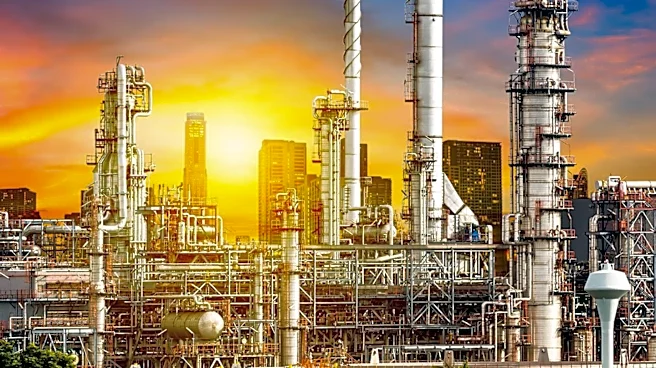
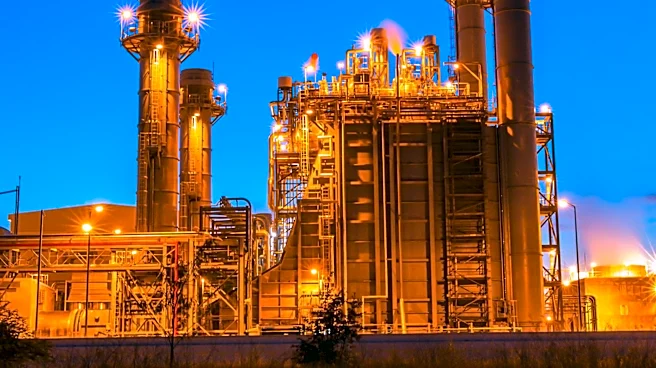
Joshua, Shamell Lavigne from RISE St James, and academic Tyra Gross, discussed environmental justice. Joshua and Lavigne emphasized the importance of industrial regulation for human and maternal health, while Gross explored strategies for communities to prepare pregnant individuals and new parents for climate disasters. Louisiana, with the second-largest petrochemistry industry in the U.S., faces significant reproductive and health consequences in fenceline communities. The state also grapples with a maternal health crisis, characterized by declining prenatal care access, maternal care deserts, a rising premature birth rate, and severe cuts to reproductive healthcare services. Evidence suggests a link between petrochemical pollution and increased risks of reproductive harm. Activists are calling for local authorities to provide up-to-date information to affected communities regarding the health impacts of fossil fuel emissions, climate change, and the petrochemical industry on pregnant individuals.
Why It's Important?
This initiative highlights a critical intersection of environmental justice and public health in the United States, particularly in states like Louisiana. The direct link drawn between industrial pollution and maternal health outcomes underscores the disproportionate burden placed on vulnerable communities, often those in close proximity to petrochemical facilities. The ongoing maternal health crisis in Louisiana, exacerbated by environmental factors, signifies a broader national challenge in ensuring equitable healthcare access and environmental protection. The call for industrial regulation and transparent information dissemination could set precedents for other states facing similar environmental health disparities. Addressing these issues is crucial for improving public health, reducing healthcare disparities, and upholding human rights, particularly for women and marginalized communities who are often most affected by environmental degradation and inadequate healthcare infrastructure.
What's Next?
The demands from Louisiana activists are likely to intensify pressure on state policymakers to enact stricter industrial regulations and improve environmental oversight. This could lead to legislative proposals aimed at mitigating petrochemical pollution and enhancing maternal healthcare access. Community-based organizations like RISE St James are expected to continue their advocacy, potentially organizing further protests, educational campaigns, and legal challenges to push for environmental justice. The issue may also gain national attention, influencing federal discussions on environmental protection, public health policy, and reproductive rights. Future actions could include increased scientific research into the specific links between petrochemical exposure and reproductive harm, as well as efforts to empower affected communities with resources and information to advocate for their health and safety.
Beyond the Headlines
The situation in Louisiana reflects a deeper systemic issue where economic development, particularly in heavy industry, often comes at the expense of public health and environmental well-being, especially in marginalized communities. This raises ethical questions about corporate responsibility, governmental accountability, and the right to a healthy environment. The intersection of environmental justice and reproductive rights also highlights how various forms of injustice can compound, creating complex challenges for affected populations. Long-term implications could include a re-evaluation of industrial zoning laws, increased corporate accountability for environmental damage, and a stronger emphasis on preventative healthcare measures in areas with high pollution levels. This movement could also inspire broader legal and policy reforms aimed at protecting vulnerable populations from environmental hazards nationwide.