
What's Happening?
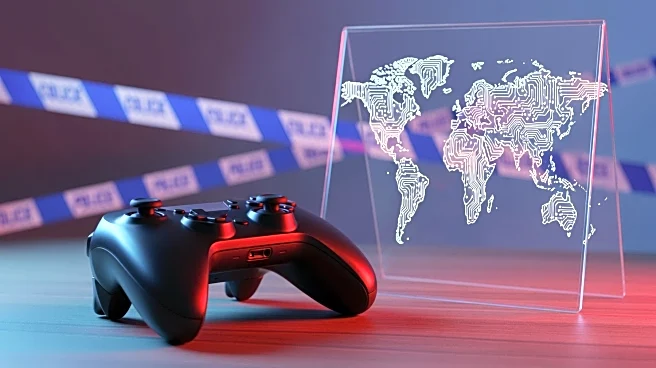
The Russian government is offering tax breaks and other incentives to developers who create a domestic alternative to the Call of Duty video game series. This move follows a call from a Russian lawmaker
to ban the series, accusing it of spreading 'Russophobic propaganda' by frequently depicting Russian soldiers as adversaries. The Ministry of Digital Development has confirmed that applications for funding such projects will be considered under existing competitive mechanisms. The development of a Russian equivalent to Call of Duty is estimated to cost around 10 billion rubles, or approximately $130 million. The initiative aims to support domestic developers and counter perceived negative portrayals of Russian military forces in Western media.
Why It's Important?
This development highlights the intersection of politics and media, where video games are seen as a tool for cultural influence. By promoting a domestic alternative to Call of Duty, Russia seeks to assert control over its cultural narrative and counteract Western media portrayals. The financial incentives offered to developers reflect the government's commitment to fostering a self-sufficient gaming industry. This move could lead to increased nationalistic content in Russian media and influence public perception of international relations. Additionally, it underscores the broader geopolitical tensions between Russia and Western countries, as media and entertainment become arenas for ideological competition.
What's Next?
The success of this initiative will depend on the willingness of Russian developers to undertake such a large-scale project and the effectiveness of government support. If successful, it could lead to the emergence of a new gaming franchise that aligns with Russian political narratives. The international gaming community will likely monitor these developments, as they could influence global gaming trends and the portrayal of military conflicts. The response from Western gaming companies and potential collaborations or competitions with Russian developers will also be significant in shaping the future of the gaming industry.