




What's Happening?
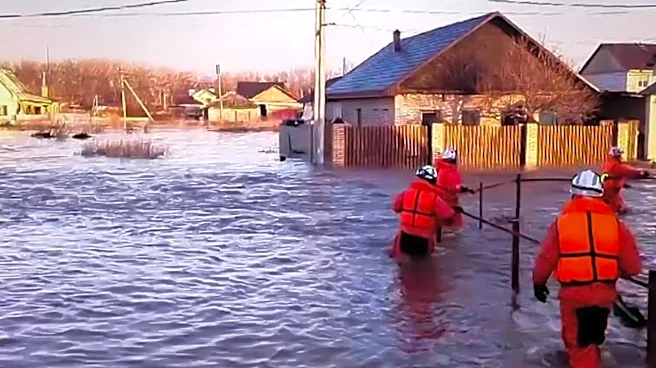
The Center for Strategic and International Studies (CSIS), a Washington, D.C.-based bipartisan think tank, has highlighted the increasing involvement of South American militaries in humanitarian assistance and disaster relief (HA/DR) operations. This
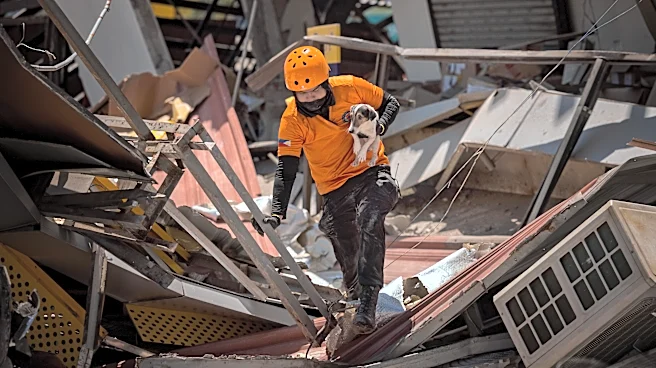
comes as the region anticipates a severe super El Niño event, exacerbating existing vulnerabilities to natural disasters like wildfires, floods, and droughts. CSIS notes that armed forces in countries such as Peru, Paraguay, Ecuador, and Brazil have been actively deployed in recent weeks to provide aid, transport supplies, set up field hospitals, and combat wildfires. While these military responses are crucial due to their organizational capacity and access to diverse assets, CSIS raises questions about the long-term implications of this growing reliance on military forces for non-combat operations. The report emphasizes that while civilian agencies exist for disaster management, their resources often prove insufficient, making military intervention indispensable.
Why It's Important?
The increasing reliance on South American militaries for HA/DR operations has significant implications for regional security and national resource allocation. While military involvement ensures a rapid and organized response to immediate crises, it can strain already limited military budgets and personnel, potentially diverting resources from their primary defense missions. This trend also raises questions about the adequacy of civilian disaster management agencies, suggesting a need for greater investment in their capabilities. For the U.S., stability in South America is a strategic interest, and effective disaster response contributes to that stability. Over-reliance on military forces for civilian tasks could also impact democratic governance and civil-military relations in the long run, as armed forces become more integrated into domestic affairs. Furthermore, the report implicitly suggests opportunities for international cooperation, including with the U.S., in enhancing regional disaster preparedness and response mechanisms, potentially through training and equipment provision.
What's Next?
Looking ahead, CSIS suggests that South American nations will need to critically assess their strategies for disaster preparedness and response. This includes evaluating whether to further expand dedicated HA/DR units within their militaries, invest in specialized equipment that serves both military and humanitarian purposes, and, crucially, strengthen civilian disaster management agencies. The Inter-American Defense Board (IADB) has already established mechanisms like MECODE (Directorate of the Mechanism for Cooperation during Disasters) to improve regional cooperation and coordination in HA/DR. Future steps will likely involve continued dialogue among regional defense ministers and civilian authorities to refine these mechanisms, share best practices, and potentially seek international support for capacity building. The upcoming super El Niño will serve as a critical test for these existing frameworks and will likely inform future policy adjustments regarding military and civilian roles in disaster response.
Beyond the Headlines
The growing role of South American militaries in HA/DR operations extends beyond immediate disaster response, touching upon deeper ethical and strategic considerations. One key implication is the potential for mission creep, where armed forces become increasingly involved in tasks traditionally outside their purview, potentially blurring the lines between military and civilian responsibilities. This could lead to long-term impacts on military doctrine, training, and public perception of the armed forces. Furthermore, the report subtly highlights the broader challenge of climate change, which is intensifying natural disasters and placing unprecedented demands on national resources. The need for multipurpose equipment, capable of both combat and humanitarian operations, presents a complex budgeting dilemma for nations with limited defense spending. This situation also offers an opportunity for enhanced regional military cooperation, as joint HA/DR exercises and shared resources can build trust and reduce tensions, fostering a more integrated security environment in the hemisphere.