





What's Happening?
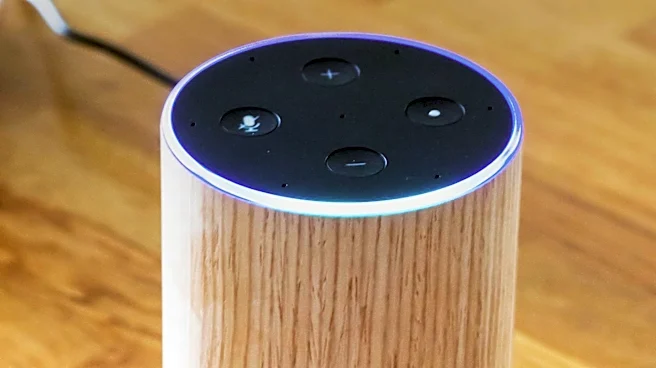
Crowd Supply has launched a campaign for LocalDot, an open-hardware board developed by AAElectronics, designed to convert third-generation Amazon Echo Dots into Home Assistant voice devices. This 83 × 37mm PCB integrates an ESP32-S3 for Wi-Fi connectivity
and device control, and an ESP32-P4 for audio processing. The LocalDot board retains the original Echo Dot's microphones, speaker, buttons, and LEDs, allowing users to repurpose their existing hardware. The ESP32-P4 utilizes the Echo Dot’s four-microphone array, offering beamforming support for directional audio capture. This setup enables wake-word detection to run directly on the device, with recognized voice commands forwarded over the local network to a configured Home Assistant server. This approach allows for voice control without dependence on Amazon’s cloud services, ensuring smart-home functions, timers, and notifications can operate even without an internet connection, provided the local server is available.
Why It's Important?
The LocalDot board represents a significant development for U.S. consumers and the smart home industry by promoting local control and reducing reliance on proprietary cloud services. This shift enhances user privacy and data security, as voice commands and smart home functions are processed locally rather than being sent to external servers. For privacy-conscious individuals, this offers a compelling alternative to mainstream smart speakers. Furthermore, it fosters greater interoperability within the smart home ecosystem, allowing users to integrate their repurposed Echo Dots with the open-source Home Assistant platform, which supports devices from various manufacturers. This initiative could also stimulate innovation in the open-hardware community, encouraging developers to create more customizable and secure smart home solutions, ultimately benefiting consumers seeking more control over their connected environments.
What's Next?
AAElectronics plans to release hardware schematics, PCB layout files, a bill of materials, and firmware through its public GitHub repository, making the LocalDot project fully open-source. This will allow developers and enthusiasts to modify and experiment with the wake-word implementation and audio-processing pipeline. The hardware design is intended for release under the CERN-OHL-S-2.0 license, with software components using their respective open-source licenses. Manufacturing and assembly will follow the Crowd Supply campaign, with fulfillment handled by Mouser Electronics. This open-source approach is expected to encourage a community of developers to further enhance the functionality and compatibility of LocalDot, potentially leading to broader adoption and new applications for repurposed smart speaker hardware.
Beyond the Headlines
The LocalDot project highlights a growing trend towards 'de-clouding' smart home technology, driven by increasing concerns over data privacy, vendor lock-in, and the environmental impact of electronic waste. By enabling users to repurpose existing devices like the Amazon Echo Dot, LocalDot contributes to a more sustainable approach to consumer electronics. This movement challenges the traditional model of proprietary ecosystems, advocating for greater user ownership and control over their devices and data. It also underscores the power of open-source hardware and software in fostering innovation and empowering individuals to customize technology to their specific needs, rather than being limited by manufacturer-imposed constraints. This could pave the way for a future where smart home devices are more modular, repairable, and adaptable, reducing electronic waste and promoting a more ethical consumption of technology.