






What's Happening?
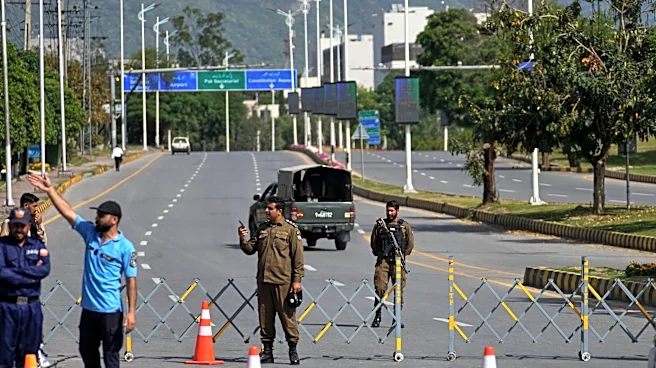
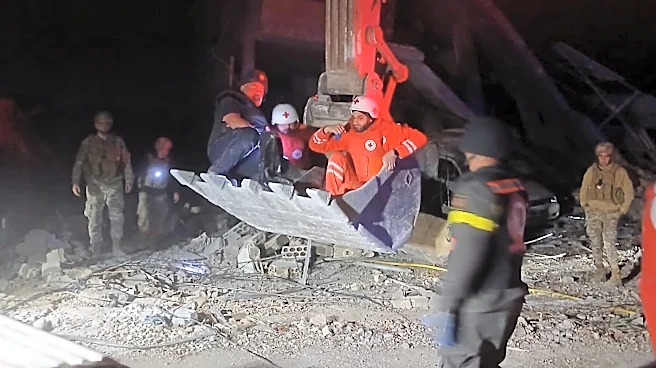
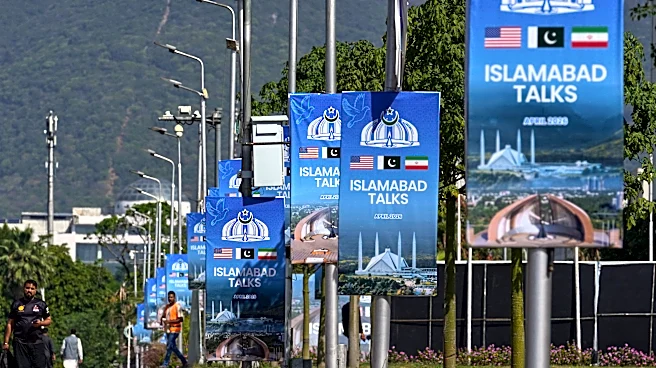
Israel and Lebanon are set to meet in Washington to discuss extending a fragile 10-day ceasefire, while Iran-U.S. talks remain stalled. The meeting comes as Iran intensifies its actions in the Strait of Hormuz, seizing two ships and firing on a third.
The U.S. has maintained a blockade of Iranian ports, and President Trump has extended a ceasefire, but Iran has accused the U.S. of negotiating in bad faith. The situation in the Strait of Hormuz has disrupted oil exports, affecting global markets.
Why It's Important?
The talks between Israel and Lebanon in Washington are crucial for maintaining regional stability and preventing further escalation. The fragile ceasefire is a critical step towards peace, but the ongoing tensions between the U.S. and Iran pose a significant challenge. The disruption of oil exports through the Strait of Hormuz has global economic implications, as it is a vital route for the world's oil supply. The outcome of these diplomatic efforts will have far-reaching consequences for regional security and international relations.
What's Next?
The continuation of diplomatic talks between Israel and Lebanon is essential for extending the ceasefire and preventing further conflict. However, the stalled Iran-U.S. negotiations and Iran's aggressive actions in the Strait of Hormuz could lead to increased tensions. The international community will be closely monitoring the situation, as any escalation could have significant geopolitical and economic impacts. Efforts to resume talks and find a peaceful resolution will be critical in the coming days.