





What's Happening?
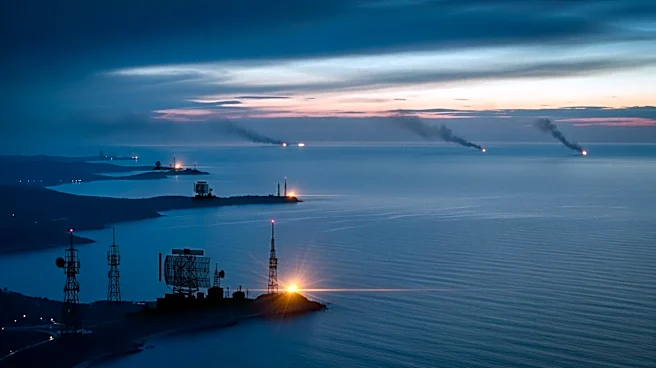
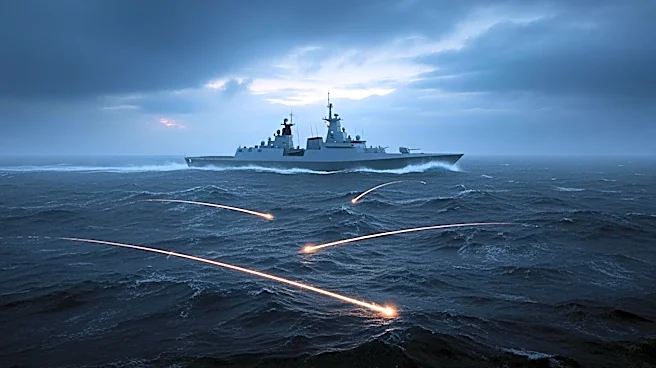
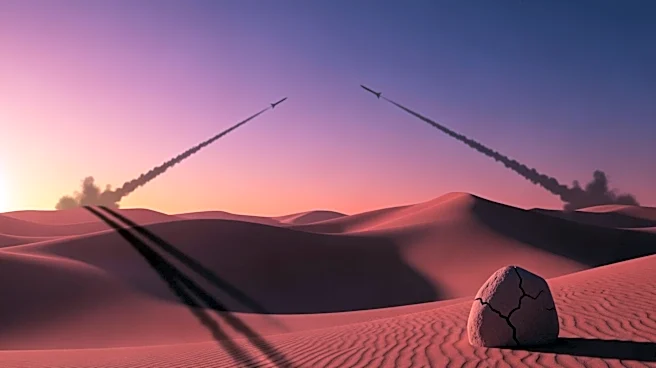
Tensions in the Strait of Hormuz have escalated as the United States and Iran continue to exchange fire. This strategic waterway, crucial for global oil transportation, has been a focal point of military confrontations between the two nations. The recent
incidents have involved direct military engagements, raising concerns over the potential for broader conflict. The Strait of Hormuz is a vital passage for oil shipments, and any disruption could have significant implications for global energy markets. The ongoing hostilities underscore the fragile nature of U.S.-Iran relations, which have been strained over issues such as nuclear agreements and regional influence.
Why It's Important?
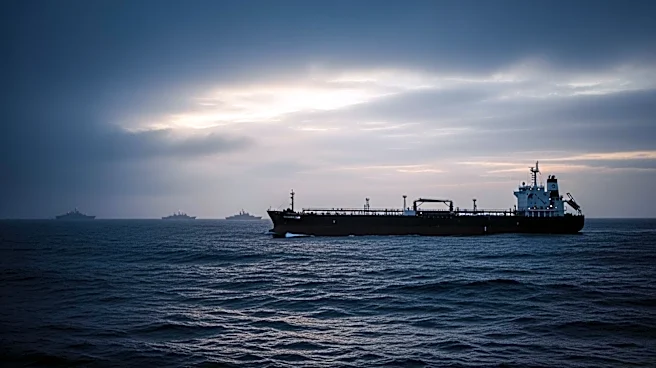
The Strait of Hormuz is one of the world's most critical chokepoints for oil transit, with a significant portion of the world's petroleum passing through it. Any military conflict in this area could disrupt oil supplies, leading to increased global oil prices and economic instability. The U.S. and Iran's military engagements in the region highlight the persistent geopolitical tensions that could impact international trade and energy security. The situation also reflects broader regional dynamics, where U.S. interests often clash with those of Iran, affecting diplomatic relations and regional stability.
What's Next?
The continuation of military exchanges between the U.S. and Iran in the Strait of Hormuz could lead to increased international diplomatic efforts to de-escalate tensions. Countries reliant on oil shipments through the strait may push for negotiations to ensure the security of this vital passage. Additionally, the U.S. may consider bolstering its military presence in the region to protect its interests and allies. The situation could also prompt discussions within international bodies like the United Nations to address the security of global shipping lanes.