








What's Happening?
Prebiotics are specific types of fibers, such as inulin, FOS, and GOS, that are selectively utilized by beneficial microorganisms residing in the gut. Unlike general dietary fiber, which nourishes a broad spectrum of microbes, prebiotics specifically
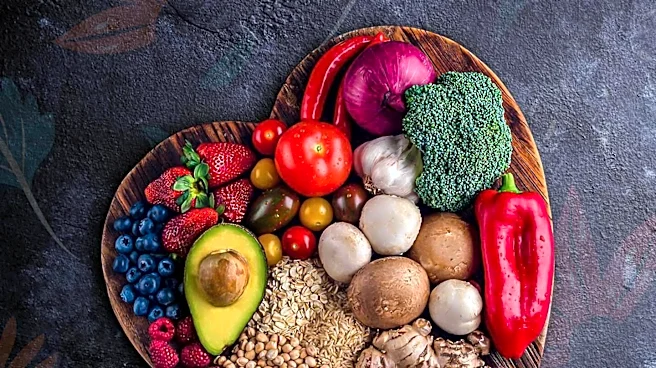
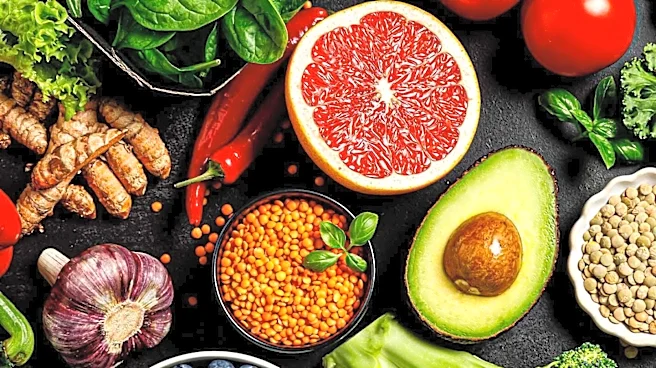
target and support advantageous gut bacteria. These specialized fibers undergo fermentation by gut bacteria, leading to the production of short-chain fatty acids like butyrate. Butyrate is currently being investigated for its potential role in maintaining the health of the gut lining. Common food sources rich in prebiotics include onions, garlic, pulses, and oats. While prebiotics are recognized for their role in fostering a favorable environment for beneficial gut flora, current research does not definitively establish a direct link between prebiotics and weight loss.
Why It's Important?
The distinction between prebiotics and general fiber is crucial for understanding targeted nutritional strategies aimed at improving gut health. By selectively feeding beneficial microbes, prebiotics contribute to a more balanced and resilient gut microbiome, which is increasingly linked to overall well-being. The production of short-chain fatty acids, particularly butyrate, highlights a significant mechanism through which prebiotics may support gut lining integrity. This has implications for digestive health, nutrient absorption, and potentially broader systemic health. For consumers, recognizing prebiotic-rich foods can empower more informed dietary choices. For the food industry, this understanding could drive innovation in functional foods and supplements, catering to a growing demand for gut-health-promoting products. The ongoing research into butyrate's role underscores the scientific community's focus on understanding the intricate relationship between diet, gut microbiota, and human health.
What's Next?
Future research is expected to further elucidate the specific mechanisms through which different prebiotics impact gut health and their potential therapeutic applications. This includes more detailed studies on the precise effects of various prebiotics on microbial composition, short-chain fatty acid production, and their influence on conditions beyond digestive health. The food and supplement industries are likely to continue developing and marketing products fortified with prebiotics, emphasizing their targeted benefits for gut microbiota. Consumers can anticipate an increasing array of options for incorporating prebiotics into their diets. Additionally, healthcare professionals may increasingly integrate dietary recommendations for prebiotics into personalized health plans, particularly for individuals seeking to optimize their gut microbiome.
Beyond the Headlines
The growing emphasis on prebiotics reflects a broader shift in understanding health, moving beyond a focus on disease treatment to proactive wellness and the intricate role of the microbiome. This development highlights the interconnectedness of diet, microbial ecosystems, and human physiology. Ethically, the marketing of prebiotic-containing products will need to be carefully regulated to ensure claims are scientifically substantiated and do not mislead consumers, especially regarding benefits like weight loss. Culturally, there's a rising awareness and acceptance of gut health as a cornerstone of overall health, leading to a greater openness to dietary interventions and functional foods. This trend could also influence agricultural practices, encouraging the cultivation of crops naturally rich in these beneficial fibers.