







What's Happening?
The MIND diet, or Mediterranean-DASH Intervention for Neurodegenerative Delay diet, was developed in 2015 by Martha Clare Morris, Sc.D., and a research team at Rush University. This dietary approach combines elements from the Mediterranean and DASH diets,
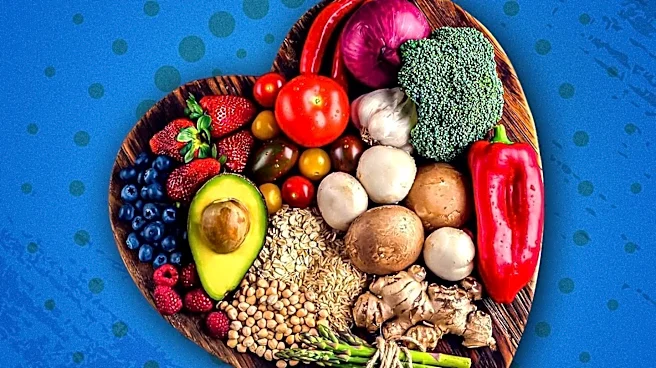
with a specific focus on promoting mental longevity and preventing cognitive decline, including conditions like dementia and Alzheimer's. The diet prioritizes certain foods, such as leafy greens, due to their high content of lutein, beta carotene, zeaxanthin, and other carotenoids, which possess antioxidant properties that may reduce the risk of cardiovascular and neurological disorders. It also emphasizes berries for their flavanol and anthocyanin content. Conversely, the MIND diet recommends limiting foods high in saturated fats, processed foods, and certain animal products, as these have been linked to increased blood pressure and a higher risk of cardiovascular disease, which can negatively impact brain health. Studies have shown that adherence to the MIND diet can significantly slow the rate of cognitive decline, with some research indicating an effect equivalent to being several years younger cognitively.
Why It's Important?
The MIND diet offers a significant public health implication by providing a structured, evidence-based approach to potentially mitigate cognitive decline, a growing concern in the aging U.S. population. With conditions like Alzheimer's and dementia posing substantial burdens on individuals, families, and the healthcare system, a dietary intervention that can delay or reduce their onset is crucial. The diet's flexibility, allowing for varying degrees of adherence while still yielding benefits, makes it accessible to a broader demographic. By focusing on specific nutrients and food groups, it highlights the direct link between nutrition and brain health, encouraging a shift in dietary habits that could lead to improved quality of life for older Americans. The emphasis on reducing saturated fats and processed foods also aligns with broader public health goals of combating cardiovascular disease, demonstrating a dual benefit for overall health.
What's Next?
Individuals interested in adopting the MIND diet can begin by incorporating one or two recommended foods into their daily routine, such as adding blueberries to cereal or snacking on edamame. The diet features a scoring system that allows individuals to assess how closely their eating patterns align with the research-backed recommendations. Even partial adherence, achieving a score as low as seven out of fifteen, can provide therapeutic benefits for cognitive performance. This flexibility means that the diet can be adapted to individual health needs, such as for diabetics who may need to adjust carbohydrate intake. Continued research will likely further refine the understanding of specific nutrients and their impact on brain health, potentially leading to more tailored dietary recommendations in the future. Public health campaigns may also increasingly promote such brain-healthy eating patterns to address the challenges of an aging population.
Beyond the Headlines
The MIND diet underscores a broader paradigm shift in healthcare, moving towards preventive strategies that empower individuals to take proactive steps in managing their long-term health. Beyond its direct impact on cognitive function, the diet's principles highlight the interconnectedness of various bodily systems; what is beneficial for the heart often benefits the brain. This holistic view challenges the traditional reactive approach to disease, advocating for lifestyle interventions as primary tools for health maintenance. The diet also raises ethical considerations regarding food accessibility and education, as implementing such a diet requires access to fresh, healthy foods and an understanding of nutritional science. Culturally, it may encourage a re-evaluation of dietary norms and the role of food in promoting well-being, potentially influencing food policy and agricultural practices to support healthier eating patterns across the nation.