



What's Happening?
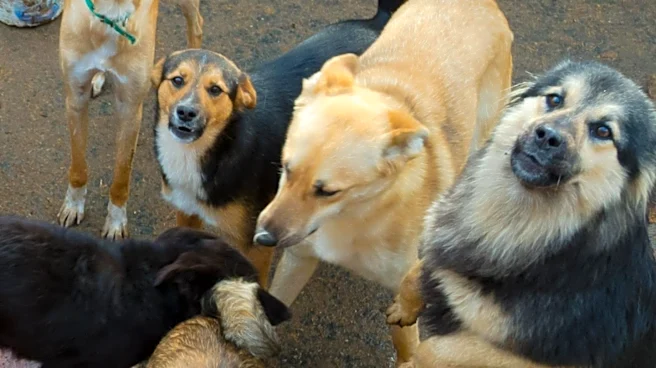
Danville resident Tanya Martin is in the process of establishing a new private, nonprofit, open-admission animal shelter named Poppy's Place. This initiative comes after years of Martin advocating for changes at the city's existing municipal shelter,
the Danville Area Humane Society, which has faced controversy regarding high euthanasia rates, unsanitary conditions, and issues with veterinary care. Martin decided to open Poppy's Place out of a belief that the current municipal shelter would not improve, stating her intention to "do things better." She has already formed a board of directors, filed for nonprofit status, and secured an offer on a 30,000-square-foot building on 3.5 acres. The new shelter aims to provide an alternative option for residents needing to surrender pets or finding stray animals, with a projected opening in early 2027. Martin's decision was partly influenced by her experience adopting a neglected dog, Poppy, from the municipal shelter, which she nursed back to health.
Why It's Important?
The establishment of Poppy's Place is significant for Danville, Virginia, as it will introduce the city's first alternative animal shelter. This development addresses long-standing community concerns about the Danville Area Humane Society, which recorded a 59% euthanasia rate in 2025, significantly higher than the state average of 9%. The municipal shelter has also been cited for violations related to unsanitary conditions, inadequate veterinary care, and incorrect medication dosages, with its director pleading guilty to falsifying public records in a different role. A new shelter could alleviate the strain on the existing facility and offer improved animal welfare services, potentially reducing euthanasia rates and enhancing adoption efforts. It also highlights a growing trend of community-led initiatives stepping in where municipal services are perceived as failing, empowering local activists to create direct solutions for pressing social issues. The success of Poppy's Place could serve as a model for other communities facing similar challenges with their animal welfare infrastructure.
What's Next?
Tanya Martin plans to open Poppy's Place by early 2027. The immediate next steps involve finalizing the purchase of the building, which requires raising approximately $600,000 within six months. Once its pending nonprofit status is approved, Martin will begin fundraising efforts. She also needs to secure special use permits for the building to operate as an animal shelter. Martin envisions a strong volunteer network, community engagement, and robust animal welfare programs, including partnerships to prevent owner surrenders by offering resources like temporary housing for pets of homeless individuals, pet food assistance, and free training classes. The city manager, Ken Larking, has indicated that a second shelter could be beneficial if well-planned and coordinated, suggesting potential for future collaboration, though Martin does not anticipate an amicable relationship with the existing municipal shelter. The community will likely watch closely to see how Poppy's Place impacts animal welfare outcomes in Danville and whether it prompts changes at the Danville Area Humane Society.
Beyond the Headlines
The emergence of Poppy's Place in Danville reflects a broader societal concern regarding animal welfare and the accountability of public services. This situation underscores the ethical dilemmas faced by open-admission shelters, which, while committed to not turning away animals, often struggle with overwhelming intake numbers and limited resources, leading to high euthanasia rates. Martin's initiative highlights the power of individual activism and community mobilization in addressing systemic issues. It also brings to light the challenges of oversight and enforcement for animal welfare regulations, as evidenced by the repeated waiving of fines for the Danville Area Humane Society. The story touches on the cultural value placed on animal companionship and the emotional investment communities have in the well-being of local animals. The success or failure of Poppy's Place could influence public policy discussions on animal shelter funding, management, and the role of private versus public entities in animal welfare.