







What's Happening?
Artemis II Commander Reid Wiseman expressed admiration for SpaceX founder Elon Musk following a significant sighting of Mars during a lunar flyby. Wiseman, along with the crew, observed Mars from a distance as the sun set behind the Moon, reinforcing
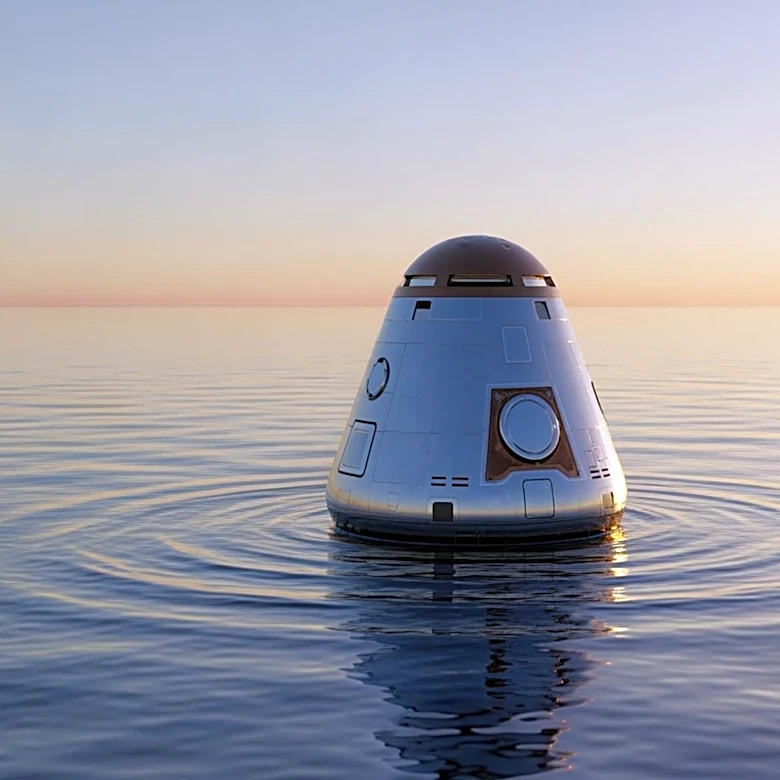
their belief in the potential for human exploration of the planet. The Artemis II mission, which concluded with a successful splashdown in the Pacific Ocean, marked a pivotal moment in lunar exploration, traveling approximately 694,000 miles. This mission was the first crewed lunar journey since Apollo 17, utilizing NASA's Space Launch System rocket. Although the mission did not involve a lunar landing, it served as a crucial test for future lunar expeditions. Musk has indicated a shift in focus towards establishing a self-sustaining city on the Moon, citing the practicality of faster launch cycles, while maintaining long-term plans for Mars.
Why It's Important?
The successful completion of the Artemis II mission represents a significant advancement in NASA's lunar exploration efforts, setting the stage for future missions that may eventually lead to human settlement on the Moon. Elon Musk's vision for a lunar city aligns with broader goals of sustainable space exploration, potentially accelerating technological developments and international collaboration in space. The mission's success also underscores the importance of private-public partnerships in advancing space exploration, with SpaceX playing a crucial role in supporting NASA's objectives. This collaboration could lead to increased investment in space technology and infrastructure, benefiting industries related to aerospace, technology, and scientific research.
What's Next?
Following the Artemis II mission, NASA is expected to continue preparations for future lunar missions, including potential landings and extended stays on the Moon. SpaceX's focus on lunar development may lead to new initiatives aimed at establishing infrastructure on the Moon, potentially involving international partners. The success of this mission may also prompt further discussions on the feasibility of human exploration of Mars, with Musk's long-term plans for Mars colonization remaining a topic of interest. Stakeholders in the aerospace industry, including government agencies and private companies, are likely to explore new opportunities for collaboration and innovation in space exploration.