






What's Happening?
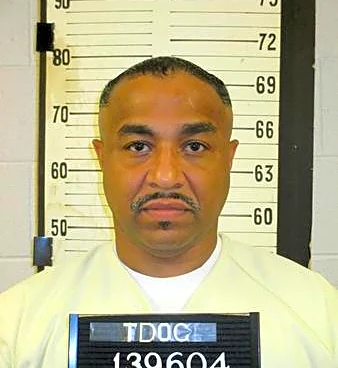
Richard Omar Deen, previously sentenced to death for the murders of his mother, Rachel Deen, and Calipatria Police Chief J. Leonard Speer, had his conviction vacated by the California Supreme Court. The court found significant errors in jury selection
that undermined the trial's integrity. Deen, who was serving his sentence at Richard J. Donovan Correctional Facility, appeared in front of an Imperial County Superior Court judge after his release from the facility. Judge Jeffrey Jones set no bail, and Deen remains in custody pending a new trial. The errors in jury selection were deemed severe enough to reverse the entire conviction, highlighting the procedural complexities in death penalty cases.
Why It's Important?
This development underscores the critical importance of proper jury selection in capital cases, where procedural errors can lead to the reversal of convictions. The case also reflects ongoing challenges within California's death penalty system, which has not seen an execution since 2006 due to a moratorium imposed by Governor Gavin Newsom. The reversal of Deen's conviction may influence public and legal discourse on the death penalty, emphasizing the need for stringent safeguards to prevent wrongful executions. This case could impact future legal proceedings and policies regarding capital punishment in California.
What's Next?
Deen's case will proceed with a new trial, with pretrial and trial settings scheduled for November 19, 2026. The outcome of this trial could have significant implications for Deen and the broader legal community, potentially affecting how jury selection is handled in future capital cases. Stakeholders, including legal experts and advocacy groups, may closely monitor the proceedings to assess the impact on death penalty jurisprudence in California.