








What's Happening?
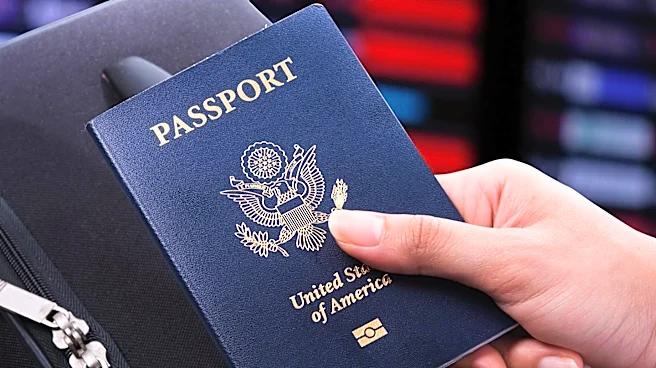
A recent analysis of global passport rankings has revealed significant disparities in travel freedom, with passports from countries like Afghanistan, Iraq, Syria, Pakistan, and Somalia ranking among the weakest. These passports offer limited visa-free
travel options, often requiring holders to apply for visas in advance. The analysis highlights how geopolitical factors and national security concerns influence passport strength. For instance, the U.S. passport has dropped in ranking due to reciprocity measures from other countries in response to tightened U.S. visa requirements. Conversely, countries that have signed visa-free agreements with the Schengen area, such as Georgia and Ukraine, have seen improvements in their passport rankings.
Why It's Important?
Passport strength is a reflection of a country's diplomatic relations and global standing. The disparities in passport rankings underscore the broader issues of global inequality and access to mobility. For individuals from countries with weaker passports, the challenges of obtaining visas can hinder personal and professional opportunities, affecting everything from career advancement to family reunification. The analysis also highlights the impact of international policies and agreements on travel freedom, with countries that engage in bilateral agreements often seeing improvements in their citizens' mobility.
What's Next?
The future of passport mobility may see further changes as more countries adopt digital travel authorizations and e-visas, potentially replacing traditional paper visas. This shift could streamline the visa application process but may also introduce new requirements for travelers who previously enjoyed visa-free access. The introduction of systems like the EU's Etias travel authorization could set a precedent for other regions. Additionally, ongoing geopolitical developments and changes in international relations will continue to influence passport rankings and travel freedoms.