




What's Happening?
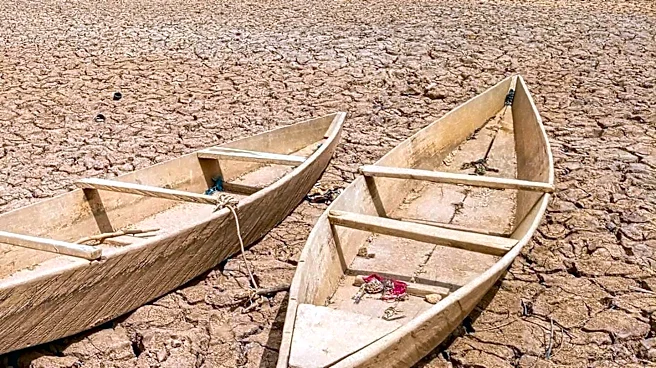
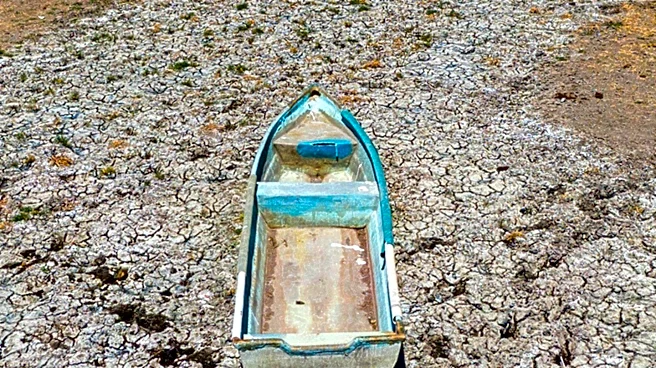
The European Commission has announced forthcoming initiatives aimed at addressing the growing challenges of extreme heatwaves and water scarcity across Europe. These initiatives include a European Heatwave Plan and a European Water initiative. The announcement
follows a summer marked by severe heatwaves, droughts, and wildfires, which highlighted the urgent need for enhanced preparedness and resilience measures. The Commission's actions are part of a broader Climate Resilience Framework, which was presented after President Ursula von der Leyen's State of the Union address. This framework emphasizes the importance of strengthening Europe's ability to cope with climate-related risks.
Why It's Important?
While this news directly concerns Europe, the development of comprehensive strategies to combat climate-related challenges like heatwaves and water scarcity has significant implications for global climate policy and international cooperation. The U.S., facing similar climate impacts, can draw lessons from Europe's approach to developing resilience frameworks and specific action plans. The European Heatwave Plan and Water initiative could serve as models for other nations in designing their own climate adaptation strategies, particularly in areas of public health, infrastructure, and resource management. Furthermore, the scientific data and best practices generated from these European initiatives could contribute to a global understanding of effective climate resilience, influencing international dialogues and collaborative efforts on climate change mitigation and adaptation.
What's Next?
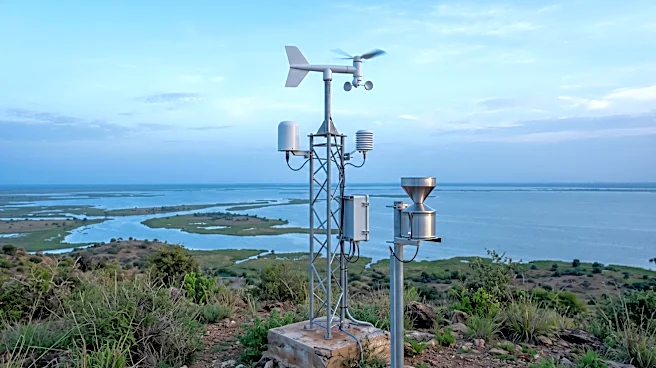
The European Climate Resilience Law, a core component of the framework, will require Member States to conduct national climate risk assessments by June 2029 and adopt strategic resilience plans by December 2030. These plans will identify priority risks, adaptation measures, and responsible authorities. The Commission also plans to introduce a common warming trajectory to guide long-term planning and foster stronger cross-border cooperation to address shared climate risks, such as droughts affecting waterways and disruptions to interconnected energy and transport networks. To support these assessments, the European Climate Viewer, an interactive map showing projected climate hazards, has been launched. These steps indicate a structured and phased approach to building climate resilience across Europe.
Beyond the Headlines
The European Commission's initiatives reflect a growing recognition that climate change impacts require not only mitigation efforts but also robust adaptation strategies. The focus on a European Heatwave Plan and a European Water initiative highlights the interconnectedness of climate challenges and the need for integrated solutions. Beyond the immediate policy implications, these efforts could drive innovation in climate-resilient technologies and urban planning, potentially creating new markets and fostering economic development in green sectors. The emphasis on cross-border cooperation also underscores the transboundary nature of climate risks, suggesting that effective solutions will increasingly require international collaboration and shared governance models.