






What's Happening?
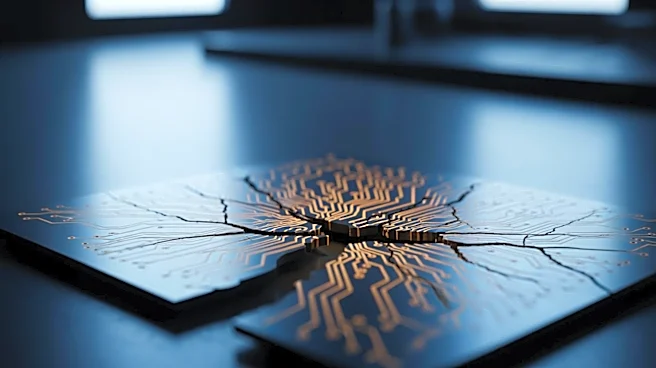
The ongoing conflict in the Middle East, particularly the Iran war, has significantly disrupted the supply chain for printed circuit boards (PCBs), which are essential components in electronic devices. The disruption stems from Iran's attack on Saudi
Arabia's Jubail petrochemical complex, which halted the production of high-purity polyphenylene ether (PPE) resin, a critical material for PCB laminates. SABIC, a major supplier of PPE, has been unable to resume production, leading to a global shortage. This has caused PCB prices to surge, with a reported increase of up to 40% in April alone. The shortage is exacerbated by rising demand for AI servers and other electronic devices, as well as increased costs for other materials like copper foil.
Why It's Important?
The disruption in the PCB supply chain has broad implications for the technology sector, particularly for electronics manufacturers who are already facing high memory chip costs. The shortage of PPE resin and other materials could lead to increased production costs and delays, affecting the availability and pricing of electronic devices. This situation highlights the vulnerability of global supply chains to geopolitical conflicts and the potential for significant economic impacts. Companies may need to seek alternative suppliers or materials, which could further drive up costs and affect their competitiveness in the market.
What's Next?
As the conflict continues, electronics manufacturers will likely face ongoing challenges in securing necessary materials. Companies may need to negotiate with suppliers for better terms or explore alternative materials to mitigate the impact of rising costs. The situation may also prompt a reevaluation of supply chain strategies, with a focus on diversifying sources and increasing resilience against geopolitical disruptions. Additionally, there may be increased pressure on governments and international organizations to address the underlying causes of the conflict and work towards a resolution.