
What's Happening?
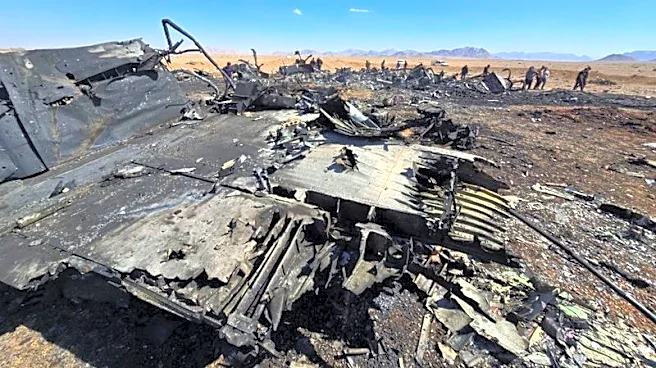
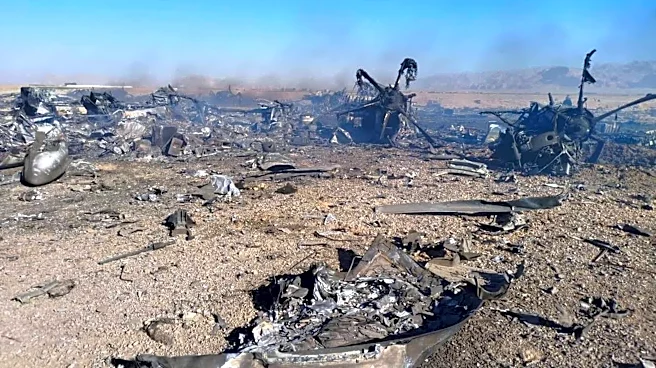
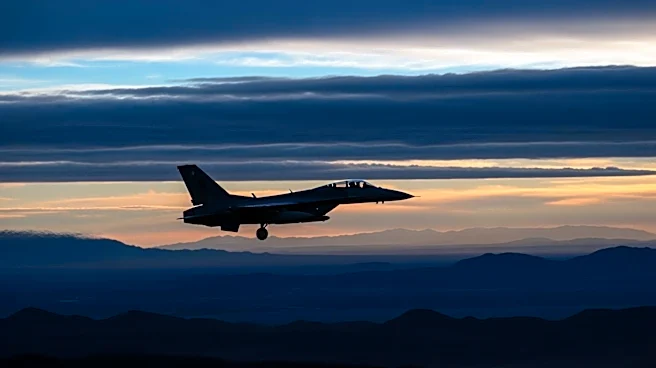
A U.S. navigator was successfully rescued from Iran after surviving two days in hostile territory. The navigator, part of an F-15 crew, ejected from the aircraft after it was hit near Tehran. Separated
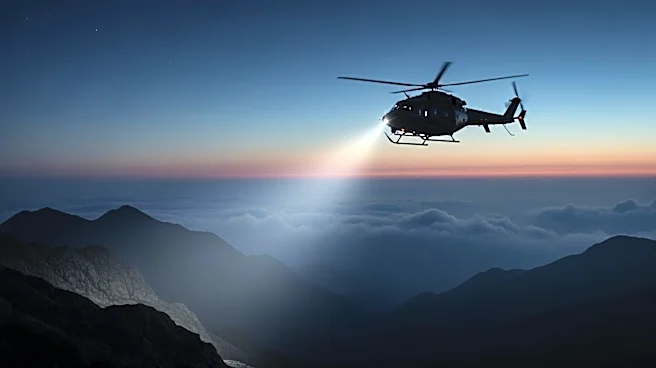
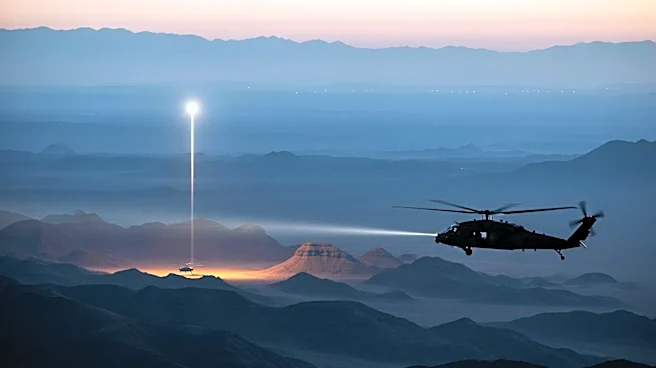
from the pilot, who was rescued earlier, the navigator evaded capture by hiding in a mountain crevice. The U.S. military, assisted by the CIA, located him using a beacon. A large-scale rescue operation was launched, involving Navy SEAL Team 6 and other special operations forces. The mission faced challenges, including the navigator's uncertain location and the threat of Iranian forces. Despite complications with aircraft landing gear, the navigator was eventually evacuated to safety.
Why It's Important?
This rescue operation underscores the U.S. military's capability and readiness to conduct complex missions in hostile environments. It highlights the strategic importance of intelligence and special operations in ensuring the safety of American personnel. The successful extraction of the navigator also demonstrates the effectiveness of U.S. military and intelligence collaboration. This event may influence U.S.-Iran relations, as it involved direct military action within Iranian territory. The operation's success could bolster U.S. military morale and public confidence in military operations abroad.
What's Next?
The successful rescue may lead to increased scrutiny of U.S. military operations in hostile regions. It could prompt discussions on the risks and strategies involved in such missions. The U.S. government may also face diplomatic challenges with Iran, potentially affecting future negotiations or military engagements. The operation's details might be analyzed to improve future rescue missions, focusing on minimizing risks and enhancing coordination between military and intelligence agencies.
Beyond the Headlines
The rescue operation raises ethical and legal questions about conducting military actions in foreign territories without explicit consent. It also highlights the psychological and physical challenges faced by military personnel in survival situations. The use of deception by the CIA to mislead Iranian forces reflects the complex nature of modern warfare, where information and misinformation play crucial roles. This event may lead to discussions on the balance between operational secrecy and public transparency in military affairs.