


What's Happening?
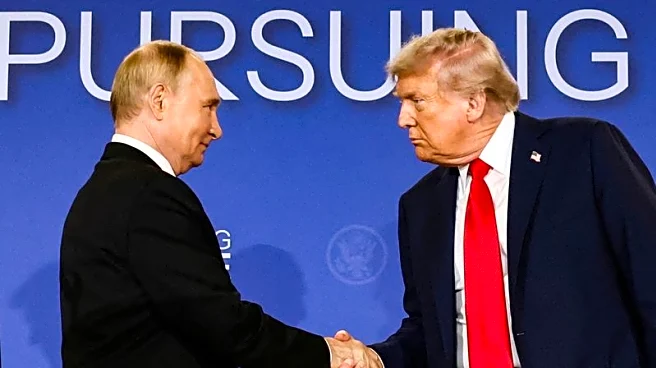
The United States and Russia have agreed to reestablish high-level military-to-military dialogue for the first time in over four years. This development comes as part of U.S.-brokered peace talks in Abu Dhabi aimed at ending the ongoing conflict in Ukraine.
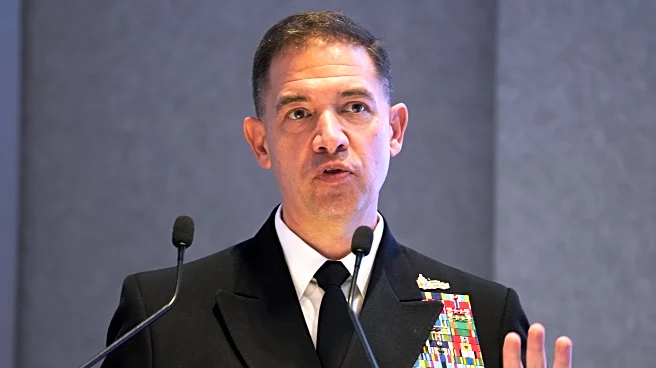
The agreement was reached during a meeting between senior Russian and American military officials, as confirmed by the U.S. European Command. The restored communication channel is intended to provide consistent military contact as efforts continue towards achieving a lasting peace. This dialogue had been suspended since 2021 due to escalating tensions between Moscow and Washington, particularly following Russia's full-scale invasion of Ukraine in February 2022. The talks in Abu Dhabi also included discussions on prisoner exchanges between Russia and Ukraine, with both sides agreeing to release captured servicemen.
Why It's Important?
The reestablishment of military dialogue between the U.S. and Russia is a significant step towards reducing tensions and preventing potential military confrontations. This move could help avoid incidents similar to the March 2023 event where a U.S. drone was downed in the Black Sea by Russian jets. The dialogue aims to mitigate risks of miscommunication and accidental escalations, which are critical given the ongoing conflict in Ukraine. For the U.S., maintaining open lines of communication with Russia is crucial for managing international security and stability. The agreement also reflects a broader diplomatic effort by the U.S. to facilitate peace in Ukraine, which has seen significant civilian and military casualties. The outcome of these talks could influence future U.S.-Russia relations and impact NATO's strategic posture in Eastern Europe.
What's Next?
Following the reestablishment of military dialogue, further discussions are expected to focus on concrete steps towards de-escalation and conflict resolution in Ukraine. The U.S. and its allies may continue to push for a comprehensive peace agreement that addresses security concerns and territorial disputes. Additionally, the prisoner exchange between Russia and Ukraine could pave the way for more humanitarian gestures, potentially easing tensions. The international community will likely monitor these developments closely, as any progress could have significant implications for regional stability and global diplomatic relations. The continuation of talks and the involvement of high-level officials suggest a commitment to finding a peaceful resolution, although challenges remain given the complex geopolitical dynamics.