
What's Happening?
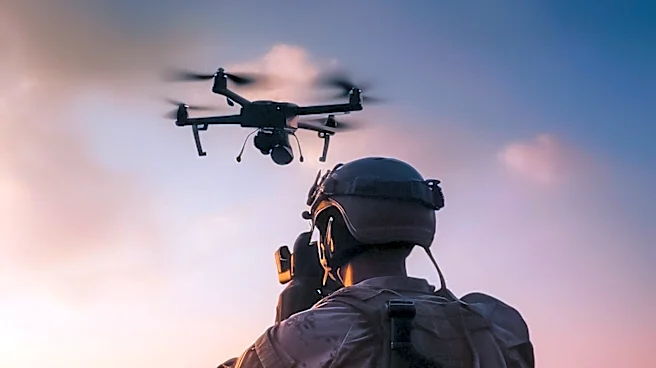
Moldova has experienced a significant breach of its airspace by Russian drones, prompting the summoning of Russia’s ambassador-designate. Seven drones were detected during Russian attacks on Ukraine, with
one unmanned aircraft approaching the capital, Chișinău, and several others crashing near populated areas. Five drones were initially reported to have crashed near Cheltuitori, Pohorniceni, Pogrebeni, Cuhureștii de Jos, and Băxani, with a sixth confirmed near Naslavcea. Another aircraft disappeared from radar monitoring near Leova. The detection of a Shahed-type drone near Chișinău led to the restriction of Moldova’s entire airspace. Russia’s ambassador-designate, Oleg Ozerov, was presented with a formal protest, though Moscow disputed responsibility, claiming a lack of evidence for Russian involvement. Moldova's constitutional neutrality offers limited practical protection against such incursions, as it does not benefit from NATO’s Article 5 collective defense guarantee.
Why It's Important?
The drone incursions highlight Moldova's growing security vulnerability and the challenges faced by neutral countries situated near conflict zones. Despite its constitutional neutrality, Moldova is directly exposed to the consequences of Russia’s war against Ukraine due to its shared border. The incidents demonstrate that neutrality does not provide physical protection against cross-border threats like missiles or drones. Moldova's limited military resources mean that detecting hostile aircraft does not equate to an ability to intercept them, requiring substantial financial investment in modern air defense systems and surveillance networks. The European Union has allocated €317 million through the European Peace Facility since 2021 to strengthen Moldova’s defense and security capabilities, including support for air defense. However, the latest events underscore the need for operational requirements, such as surveillance, coordination with neighboring countries, and appropriate interception systems, to be addressed more effectively.
What's Next?
The EU will likely need to increase the speed and scale of its support to Moldova to help establish an effective air defense capability. Moldova's EU accession negotiations, which formally opened in June 2024, place the country within Europe’s political and economic structures, but without the immediate security guarantees of full membership. This creates a policy challenge for Brussels as it considers new arrangements for future member states. The unresolved status of Transnistria, a separatist territory along the Ukrainian border with Russian military personnel stationed there, further complicates Moldova's security planning. Any intensification of Russian operations around Odesa could place considerable pressure on Chișinău, making robust European assistance crucial for Moldova's ability to protect its national airspace and citizens from the ongoing conflict.
Beyond the Headlines
The repeated drone incursions into Moldovan airspace raise critical questions about the efficacy of neutrality in modern geopolitical conflicts, particularly for smaller nations bordering larger, more aggressive powers. The incidents also expose a significant security gap for EU candidate countries, which are expected to align with European foreign policy objectives but lack the full security umbrella of EU membership. This situation could prompt a re-evaluation of how the EU supports the security of its aspiring members, potentially leading to new frameworks for military assistance and collective defense outside of Article 5. Furthermore, the presence of Russian forces in Transnistria and the lack of full Moldovan government control over the region present a persistent challenge, creating a potential flashpoint that could destabilize the broader European security landscape.