








What's Happening?
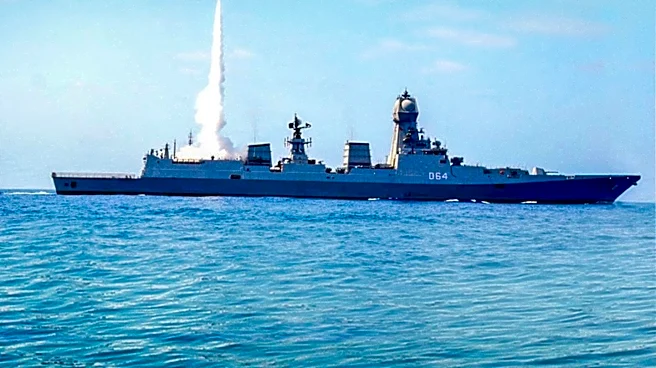
The U.S. Navy's NATO SEASPARROW Program (PMX-312) has achieved a significant production milestone with the delivery of the 1,000th Evolved SeaSparrow Missile (ESSM) Block 2. This missile was produced for the 12-nation NATO SEASPARROW Consortium, an alliance
established in 1968 that represents one of NATO's longest-running cooperative weapons programs. Raytheon, an RTX business, serves as the prime contractor for the ESSM Block 2 production, collaborating with the U.S. Navy, the Consortium nations, and a multinational industrial base. The ESSM Block 2 is designed to provide participating navies with a modern maritime air-defense capability, countering evolving threats. The 12 member nations of the Consortium include Australia, Belgium, Canada, Denmark, Germany, Greece, the Netherlands, Norway, Portugal, Spain, Türkiye, and the United States. Captain John Bowman, U.S. Navy PMX-312 program manager, emphasized that this delivery is a major achievement for the Consortium, its industry partners, and the sailors who depend on these weapons for critical defense.
Why It's Important?
The delivery of the 1,000th ESSM Block 2 missile underscores the enduring value of international cooperation and a robust industrial base in providing essential maritime-defense capabilities. For the U.S. and its NATO allies, this milestone signifies a strengthened collective defense posture against evolving naval threats. The ESSM Block 2 is a critical component of ship self-defense, enhancing the ability of naval forces to protect against aerial attacks. This collaborative effort ensures interoperability among member nations, which is vital for coordinated military operations and burden-sharing within the alliance. The involvement of Raytheon as the prime contractor highlights the role of U.S. defense industry in supporting international security initiatives and maintaining technological superiority. The continued production and delivery of these advanced missiles contribute to regional stability and deter potential adversaries, reinforcing the credibility of NATO's defense capabilities.
What's Next?
The NATO SEASPARROW Program will continue its mission of developing, producing, and sustaining interoperable ship self-defense capabilities for its 12 member nations. The ongoing collaboration between the U.S. Navy, Raytheon, and the multinational industrial base is expected to ensure the continuous supply of ESSM Block 2 missiles to meet operational requirements. Future efforts will likely focus on further enhancements to the missile system to address emerging threats and maintain its effectiveness. The program's success may also serve as a model for other international cooperative defense initiatives, promoting shared development and procurement of advanced military technologies. The sustained delivery of these missiles will enable participating navies to maintain a high level of readiness and defense capability in an increasingly complex global security environment.
Beyond the Headlines
This achievement reflects a broader trend of international defense cooperation aimed at pooling resources and expertise to develop advanced military technologies. The NATO SEASPARROW Consortium exemplifies how nations can overcome individual limitations by collaborating on complex defense projects, leading to more cost-effective solutions and enhanced interoperability. The program's longevity, spanning over five decades, highlights the strategic importance of sustained partnerships in maintaining collective security. Furthermore, the involvement of a U.S. prime contractor like Raytheon in such a multinational effort demonstrates the interconnectedness of global defense industries and the reliance on specialized technological capabilities. This model of cooperation not only strengthens military alliances but also fosters technological exchange and industrial resilience among member states.