







What's Happening?
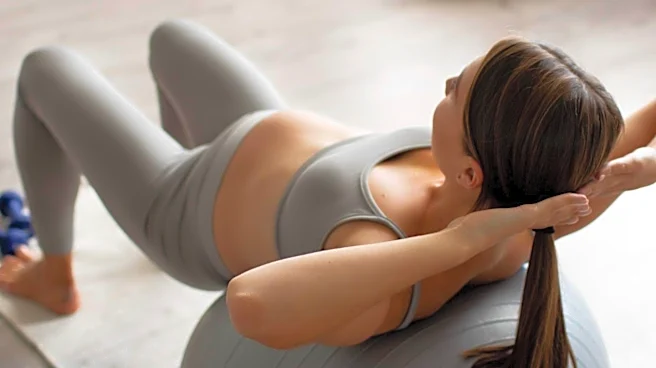
Recent research is shedding light on the effectiveness of Pilates and targeted pelvic floor muscle training in addressing urinary incontinence, particularly in women. A 2023 review of Pilates studies found encouraging but low-to-moderate quality results,
indicating that Pilates was not superior to specific pelvic floor physiotherapy for urinary incontinence. Furthermore, a 2026 randomized trial involving women with stress urinary incontinence (SUI) concluded that targeted pelvic floor muscle training outperformed the Pilates programs tested. While some studies suggest that adding gluteal and hip-adductor strengthening to pelvic floor training can improve daily leakage frequency in SUI, it did not show greater improvement in other metrics like pelvic floor strength or quality of life compared to pelvic floor training alone. The research emphasizes that while Pilates can be a beneficial tool within individualized physical therapy, it should not replace a comprehensive pelvic floor assessment or targeted treatment.
Why It's Important?
This research is important for healthcare providers and individuals seeking effective treatments for urinary incontinence in the U.S. It clarifies the role of Pilates, suggesting that while it can contribute to overall strength and coordination, it may not be a standalone solution for pelvic floor dysfunction. The findings underscore the continued importance of targeted pelvic floor muscle training as a primary intervention for urinary incontinence. For women, especially those experiencing SUI, understanding the comparative efficacy of different exercise modalities can guide more informed treatment decisions. The distinction between general exercise programs like Pilates and specialized pelvic floor physiotherapy highlights the need for professional assessment and tailored treatment plans to achieve optimal outcomes, potentially impacting insurance coverage and recommended therapeutic approaches.
What's Next?
The ongoing research into pelvic floor health suggests a continued focus on evidence-based practices for treating urinary incontinence. Future studies may further refine the understanding of how various exercise modalities, including Pilates, can be integrated into comprehensive pelvic floor rehabilitation programs. Healthcare professionals are likely to continue emphasizing individualized assessments and targeted interventions, potentially leading to more specialized training programs for physical therapists. For patients, this means a greater emphasis on consulting with pelvic floor specialists to determine the most effective treatment strategies, rather than relying solely on general fitness programs. The findings may also influence the development of new guidelines for exercise prescriptions in pelvic floor dysfunction.
Beyond the Headlines
Beyond the immediate implications for treatment efficacy, this research touches upon broader themes of health literacy and the responsible dissemination of health information. The distinction between general fitness trends, like Pilates, and specialized therapeutic interventions is crucial. There's a risk that popular exercise methods might be over-marketed as cures for specific medical conditions without sufficient scientific backing. This highlights the ethical responsibility of fitness professionals and healthcare providers to accurately represent the benefits and limitations of different approaches. It also underscores the importance of critical evaluation of health claims by the public, encouraging them to seek evidence-based advice from qualified medical professionals for conditions like urinary incontinence, rather than relying on anecdotal evidence or generalized fitness advice.