


What's Happening?
The National Labor Relations Board (NLRB) is set to resume its activities after nearly a year of inactivity, following the confirmation of a quorum by the Senate. This development is expected to lead to a shift towards more employer-friendly policies.
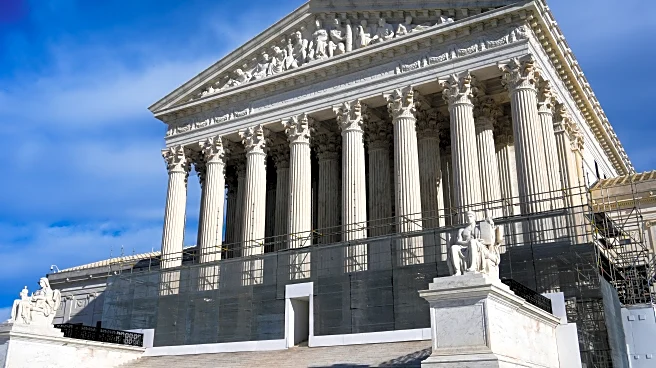
However, the Board remains divided, and ongoing legal challenges may slow down significant policy changes. Recent court rulings, including a split between circuits on the Board's constitutionality, suggest a potential review by the Supreme Court, which could reshape the Board's powers. The new General Counsel is focusing on cautious, operational priorities, and the Board is anticipated to gradually weaken employee protections established during the Biden administration.
Why It's Important?
The resumption of the NLRB's activities with a new quorum is significant as it could lead to changes in labor policies that affect both employers and employees across the United States. A shift towards more employer-friendly policies may impact labor rights and protections, potentially altering the balance of power between employers and employees. The potential Supreme Court review of the Board's constitutionality could have far-reaching implications for the NLRB's authority and the future of labor relations in the U.S. Businesses may benefit from reduced regulatory burdens, while employees could face challenges in maintaining protections and rights.
What's Next?
The NLRB's future actions will likely be closely monitored by both employers and labor organizations. Any major policy changes could prompt reactions from political leaders, businesses, and civil society groups. The potential Supreme Court review of the Board's constitutionality could lead to significant legal and political debates. Stakeholders will need to stay informed about developments and prepare for possible shifts in labor policies and regulations.