






What's Happening?
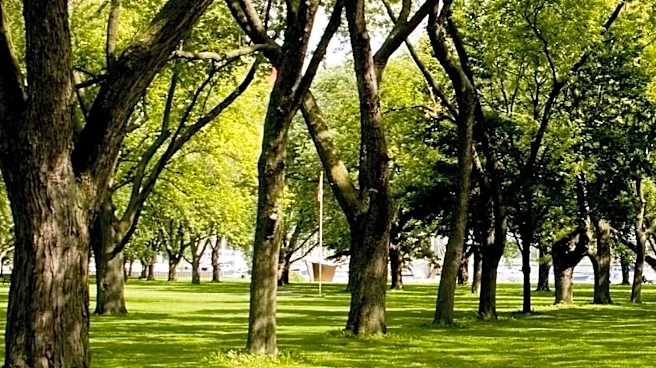
Forestry departments across West Fargo, Fargo, and Moorhead collectively manage over 100,000 trees, overseeing their planting, pruning, and removal. Fargo's city forestry department alone cares for approximately 63,000 trees, while Moorhead manages over 28,500,
and West Fargo approximately 21,500. These departments are responsible for trees in public rights-of-way, and in West Fargo and Moorhead, also in public parks. Their duties encompass a wide range of activities, from annual tree planting—with Fargo planting about 1,500 trees per year—to combating widespread tree diseases like Dutch elm disease and the more recent emerald ash borer infestation, which was found in Moorhead in 2023 and Fargo early this year. West Fargo anticipates its arrival within the next couple of years. The departments also focus on public education regarding tree maintenance and the importance of urban forests.
Why It's Important?
The extensive work of these metro forestry departments is crucial for maintaining the ecological health and aesthetic value of the Fargo-Moorhead urban environment. Their efforts directly impact air quality, stormwater management, and urban biodiversity, contributing to the overall well-being of residents. The ongoing battle against diseases like Dutch elm disease and the emerald ash borer highlights the significant threat invasive species pose to urban forests and the substantial resources required for their management. By diversifying tree species, as suggested by Fargo City Forester Allen Lee, these departments are implementing long-term strategies to build more resilient urban ecosystems, protecting public green spaces and mitigating future environmental and economic costs associated with tree loss.
What's Next?
Forestry departments will continue their year-round efforts in tree planting, pruning, and disease management. West Fargo's forestry budget is projected to increase by 28% for 2027, indicating a growing investment in urban forestry. The expansion of community orchards in West Fargo, with all 12 expected to produce fruit within five years, suggests a future focus on community engagement and local food sources. Continued public education initiatives, including social media posts and utility bill inserts, will aim to raise awareness about tree care. The ongoing monitoring for pests like the emerald ash borer will remain a priority, with strategies to diversify tree populations being key to future urban forest resilience.
Beyond the Headlines
The comprehensive approach to urban forestry in Fargo-Moorhead reflects a broader national trend towards recognizing the critical role of green infrastructure in urban planning. Beyond environmental benefits, well-maintained urban forests can enhance property values, promote mental health, and foster community cohesion through initiatives like public orchards and tree-planting events. The challenges posed by tree diseases also underscore the interconnectedness of local ecosystems with global environmental issues, such as climate change and the spread of invasive species. The long-term success of these programs will depend on sustained public funding, community participation, and adaptive management strategies to address evolving ecological threats.