



What's Happening?
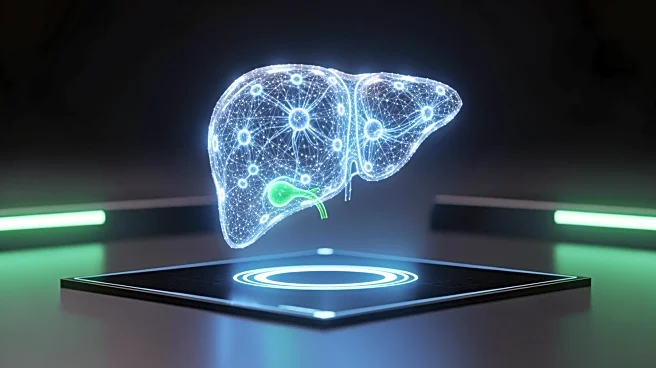
A machine learning tool, PRE-Screen-HCC, has been developed to predict the risk of hepatocellular carcinoma (HCC), the most common form of liver cancer, with high accuracy. The tool analyzes electronic health records, test results, and patient demographics
to identify high-risk individuals. The study, published in Cancer Discovery, utilized data from the UK Biobank and the All of Us registry in the US. The tool maintained its performance across diverse populations, indicating its potential for widespread use in early cancer detection.
Why It's Important?
The ability to accurately predict liver cancer risk using readily available clinical data could revolutionize early detection and intervention strategies. This tool addresses the limitations of current screening methods, which often miss at-risk individuals without obvious risk factors. By identifying high-risk patients earlier, healthcare providers can implement preventive measures and tailor monitoring strategies, potentially reducing the incidence and mortality associated with liver cancer.
What's Next?
The successful validation of PRE-Screen-HCC across diverse populations suggests it could be integrated into routine clinical practice. Future research may focus on further refining the tool's algorithms and exploring its application to other types of cancer. The integration of such AI tools into healthcare systems could lead to more personalized and effective cancer prevention strategies, ultimately improving patient outcomes.