








What's Happening?
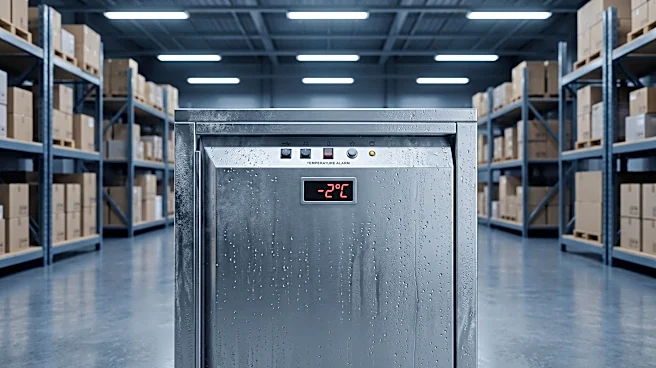
Federal agencies, including CISA, the FBI, and the Departments of Health and Human Services, Agriculture, and Transportation, have issued a joint warning regarding cyberattacks targeting industrial refrigeration units globally. These attacks have affected
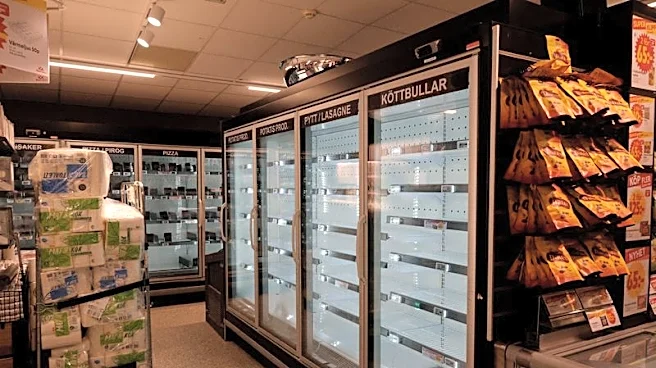
grocery stores, cold storage facilities, military bases, and a blood bank in France. The U.S. officials suspect Iran-linked hackers are behind freezer malfunctions at approximately six commissaries on U.S. military bases, which began in late August. Hackers can force refrigeration units into continuous heating or defrost cycles, manipulate temperature readings, and potentially cause fire hazards, spoiled inventory, and harm to consumers. European authorities have also issued a joint warning, coordinating their response to similar incidents that have impacted supermarkets in Sweden, Belgium, Luxembourg, and France. Cybersecurity experts, such as Nahman Khayet, co-founder and CEO at Alt Security, note that the pattern of these hacks aligns closely with Iranian cyber operators, who often exploit unpatched security vulnerabilities in critical infrastructure systems.
Why It's Important?
These cyberattacks pose a significant threat to critical infrastructure sectors in the U.S., including food, agriculture, transportation, and medicine shipping. The potential for widespread inventory loss, equipment damage, and fire hazards could lead to substantial economic disruption and public health risks. For instance, the compromise of refrigeration systems in grocery stores and cold storage facilities could result in massive food spoilage, impacting supply chains and consumer access to safe products. The targeting of military bases highlights a national security concern, as disruptions to essential services could affect military readiness and personnel welfare. The attacks also underscore the vulnerability of internet-connected industrial control systems, many of which may lack up-to-date security patches, making them attractive targets for state-sponsored or sophisticated hacking groups. The involvement of suspected state-linked actors, such as those from Iran, elevates the issue beyond mere criminal activity to a matter of international cyber warfare and national defense.
What's Next?
U.S. agencies are urging operators of refrigeration and cold chain monitoring systems to take immediate action to secure their equipment. Recommended measures include removing control systems from the public internet, securing remote access, replacing default passwords, installing security updates, and retiring unsupported equipment. Chris Butera, CISA’s acting executive assistant director for cybersecurity, emphasized that every organization relying on refrigeration systems should consider itself a potential target. The ongoing coordination with European authorities suggests a concerted international effort to address this threat. Businesses and critical infrastructure operators are expected to enhance their cybersecurity postures, potentially leading to increased investment in advanced security solutions and more rigorous patch management protocols. The U.S. Department of Defense is actively investigating the incidents at military bases, which may lead to further attribution and potential retaliatory measures or diplomatic responses.
Beyond the Headlines
The incidents reveal a broader trend of cyber warfare extending beyond traditional data breaches to physical sabotage of critical infrastructure. The ability of hackers to manipulate physical systems like refrigeration units demonstrates a sophisticated and concerning evolution in cyberattack capabilities. This raises ethical questions about the boundaries of cyber conflict and the potential for non-kinetic attacks to cause real-world harm and disruption. The reliance on outdated or unpatched industrial control systems across various sectors highlights a systemic vulnerability that requires a long-term, comprehensive strategy involving both government regulation and industry-wide adoption of robust cybersecurity practices. The economic implications could extend beyond immediate losses, potentially leading to increased insurance costs, stricter compliance requirements, and a re-evaluation of supply chain resilience in the face of persistent cyber threats.