







What's Happening?
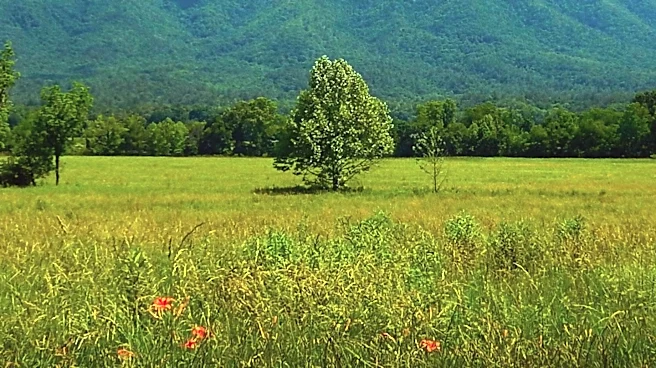
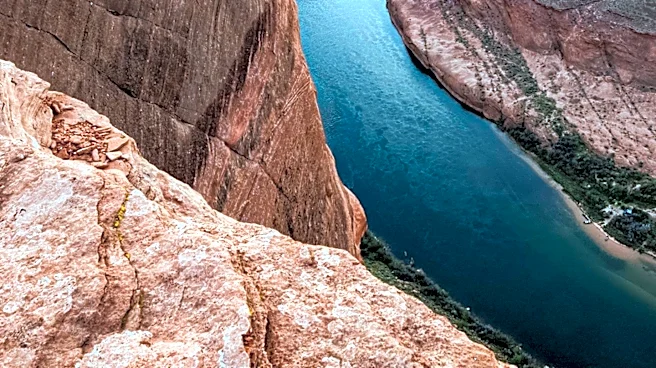
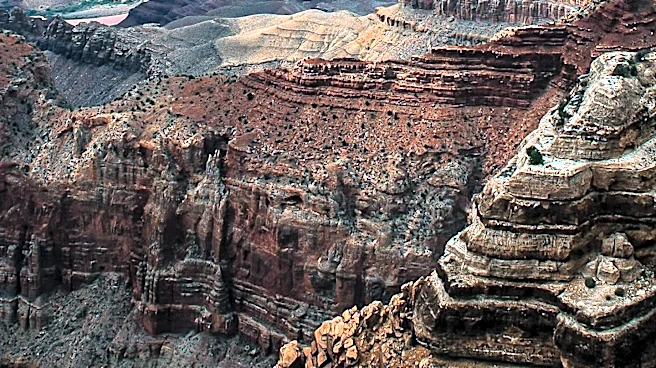
Several U.S. National Parks are highlighted as ideal destinations for first-time visitors due to their easy navigation, beginner-friendly trails, and accessible landmarks. Parks such as Grand Canyon, Yellowstone, Yosemite, Acadia, Zion, Bryce Canyon, Mount
Rainier, Rocky Mountain, and Great Smoky Mountains offer features like shuttle systems, paved pathways, and scenic drives that allow visitors to experience their natural beauty without requiring extensive hiking or backcountry experience. These parks are designed to provide maximum visual impact with minimal physical exertion, making them suitable for a wide range of visitors, including families and those new to outdoor exploration. Many parks also implement timed-entry reservations or shuttle tickets during peak seasons to manage crowds.
Why It's Important?
The emphasis on accessible national parks is crucial for broadening public engagement with natural conservation and promoting outdoor recreation across diverse demographics. By offering easy-to-navigate options, these parks lower the barrier to entry for individuals who might otherwise be intimidated by more strenuous wilderness experiences. This accessibility fosters a greater appreciation for the U.S.'s natural heritage, potentially leading to increased support for conservation efforts and funding for national park systems. Furthermore, it promotes physical activity and mental well-being for a wider segment of the population. The strategic use of shuttle systems and well-maintained trails helps manage visitor impact on fragile ecosystems, balancing public access with environmental protection, and ensuring these natural treasures can be enjoyed by current and future generations.
What's Next?
National Parks will likely continue to refine their accessibility features and visitor management strategies, such as timed-entry systems, to accommodate growing visitor numbers while preserving natural resources. There may be further development of paved trails, shuttle routes, and interpretive programs tailored for first-time and less experienced visitors. Educational initiatives will continue to play a role in informing visitors about park etiquette, wildlife safety, and the importance of conservation. As more people discover the ease of exploring these parks, there could be an increased demand for similar accessible options in other national and state parks, potentially influencing future park development and infrastructure investments. The focus on 'maximum visual payoff with minimal stress' is expected to remain a key strategy for attracting and retaining new park enthusiasts.
Beyond the Headlines
The trend towards making national parks more accessible reflects a broader societal shift towards inclusive outdoor recreation and a recognition of the diverse needs of visitors. It challenges the traditional perception of wilderness as solely for experienced adventurers, promoting the idea that nature's benefits should be available to everyone. This approach also highlights the role of infrastructure and planning in shaping visitor experiences and environmental impact. By providing convenient access, parks can cultivate a sense of stewardship among a broader audience, fostering a deeper connection to the natural world. The balance between accessibility and preserving wilderness character remains a delicate one, prompting ongoing discussions about how to best manage these cherished landscapes for both human enjoyment and ecological integrity in the long term.