




What's Happening?
France experienced a significant heatwave from June 17 to July 2, resulting in 5,764 excess deaths, according to the French national health agency. The excess mortality rate was 36%, with the majority of deaths occurring between June 25 and 27. Most of the deceased
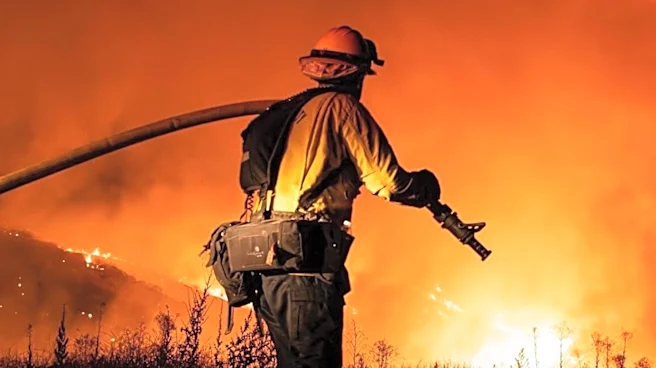
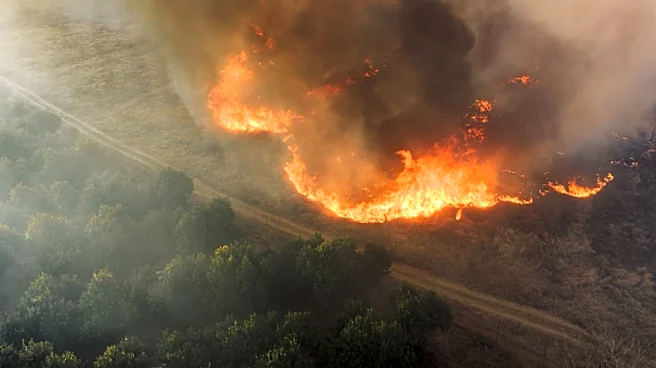
were aged 75 and older. The deaths were attributed to 'all causes,' with no direct link to the heat established yet. The heatwave also led to wildfires in southern France, prompting evacuations and significant firefighting efforts. The situation highlights the ongoing challenges posed by extreme weather events in Europe.
Why It's Important?
The high number of excess deaths during the heatwave underscores the severe impact of climate change on public health and safety. As Europe continues to experience record-breaking temperatures, the need for effective climate adaptation and mitigation strategies becomes increasingly urgent. The situation also highlights the vulnerability of older populations to extreme weather conditions, emphasizing the importance of targeted public health interventions. Additionally, the wildfires and heat-related challenges strain emergency services and infrastructure, necessitating improved preparedness and response measures.
What's Next?
France and other European countries are likely to face continued pressure to enhance their climate resilience and public health strategies. Policymakers may need to prioritize investments in infrastructure and emergency services to better cope with future heatwaves and related disasters. The situation may also prompt further discussions on international climate agreements and the need for coordinated global action to address climate change. Public awareness campaigns and community engagement initiatives could play a crucial role in building resilience and reducing the impact of extreme weather events.