
What's Happening?
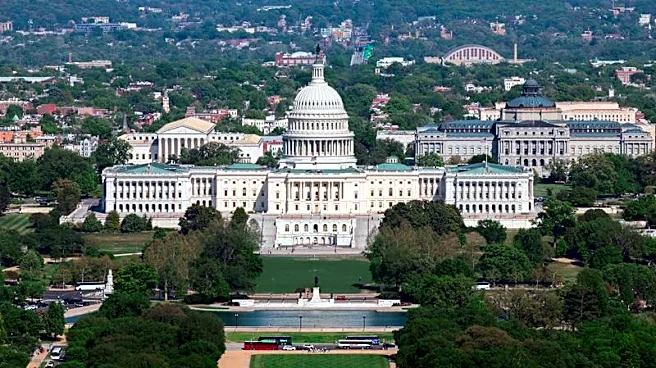
The U.S. Senate is considering the Fix Our Forests Act, a legislative proposal designed to improve wildfire preparedness and response across the American West. The act seeks to establish a centralized
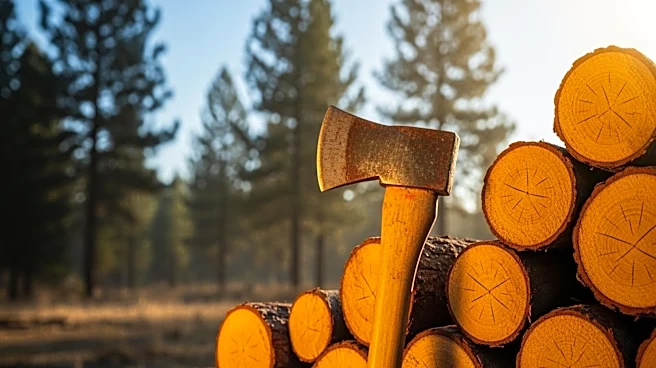
program to assist homeowners in building and retrofitting their homes with fire-resistant materials. It also proposes the creation of the Wildfire Intelligence Center, which would provide real-time data and decision support to first responders and officials. The bill has garnered bipartisan support and has been passed by the Senate Agriculture Committee. It aims to streamline permitting for forest management practices like selective thinning and prescribed burns, which are intended to reduce the severity of wildfires. The act is now awaiting a vote on the Senate floor.
Why It's Important?
The Fix Our Forests Act addresses the increasing frequency and intensity of wildfires, which pose significant threats to communities, economies, and the environment. By focusing on prevention and preparedness, the act aims to mitigate the devastating impacts of wildfires, which have resulted in loss of life, property damage, and increased insurance costs. The establishment of the Wildfire Intelligence Center is expected to enhance coordination among local, state, Tribal, and federal agencies, improving the effectiveness of wildfire response efforts. The act represents a shift from reactive to proactive wildfire management, potentially reducing the economic burden on taxpayers and making homeownership more accessible in high-risk areas.
What's Next?
The Fix Our Forests Act is pending a vote on the U.S. Senate floor. If passed, it will require implementation of its provisions, including the establishment of the Wildfire Intelligence Center and the rollout of the homeowner assistance program. Stakeholders such as land managers, fire chiefs, and emergency response experts are likely to play key roles in the act's implementation. The act's progress will be closely monitored by policymakers, environmental groups, and communities affected by wildfires, as its success could serve as a model for future wildfire management policies.