


What's Happening?
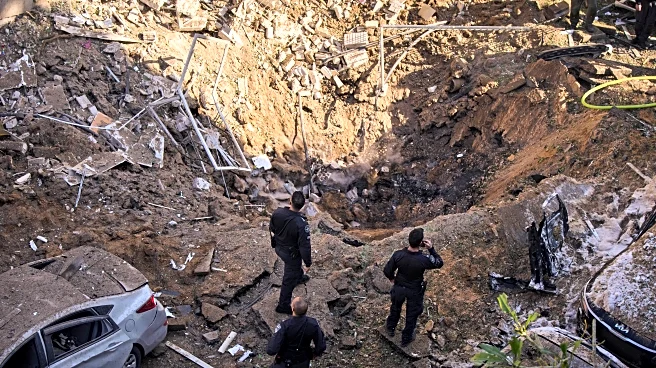
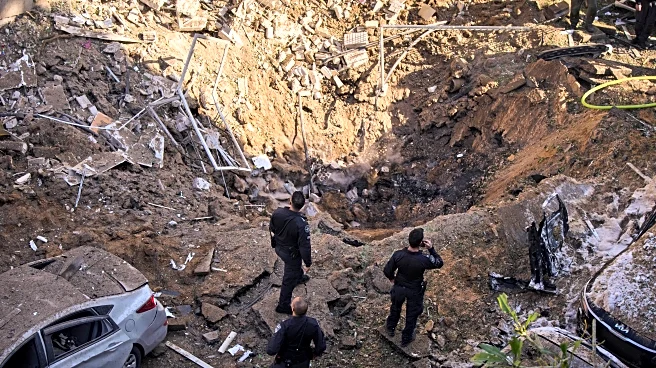
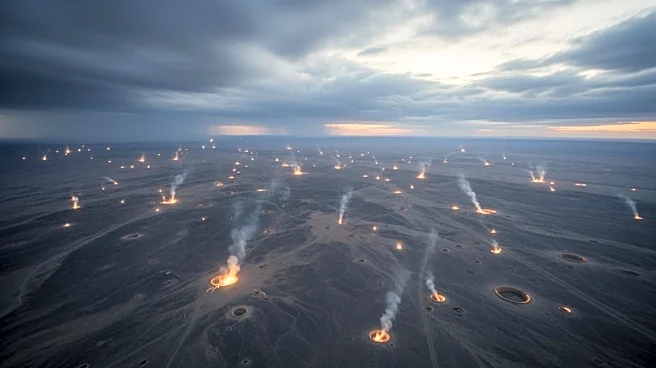
Israeli officials are assessing potential scenarios for ending the ongoing conflict with Iran, which has been marked by significant military engagements. The preferred outcome for Israel would be internal unrest in Iran leading to regime change, or Tehran
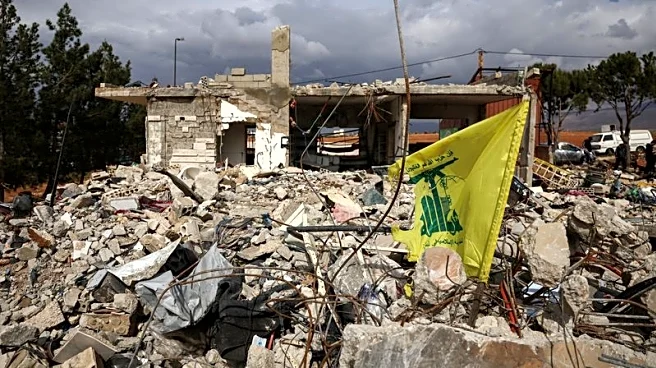
accepting U.S. demands to preserve its rule. However, a unilateral U.S. decision to end the war without a formal agreement is seen as problematic, as it could force Israel to halt operations prematurely. Israel's key demands include ending Iran's nuclear program, curbing its missile capabilities, and halting support for proxy groups like Hezbollah. The conflict has severely degraded Iran's military capabilities, but officials warn that any agreement failing to address these issues could allow Iran to recover and lead to renewed conflict.
Why It's Important?
The outcome of the conflict with Iran has significant implications for regional stability and security. Israel's demands reflect its strategic priorities in ensuring long-term security and preventing Iran from re-emerging as a major threat. The situation also highlights the complexities of international diplomacy and the challenges of achieving a comprehensive and lasting resolution. The potential for renewed conflict remains high if key issues are not addressed, underscoring the importance of effective negotiation and international cooperation. The conflict also has broader implications for global security, particularly in terms of nuclear proliferation and regional power dynamics.
What's Next?
The international community will be closely monitoring developments in the conflict, with diplomatic efforts likely to continue in search of a resolution. The potential for regime change in Iran or a shift in its strategic posture could significantly alter the regional landscape. The situation also calls for continued vigilance and preparedness on the part of Israel and its allies to address any potential threats. The outcome of the conflict will have lasting implications for regional and global security, making it a critical issue for policymakers and international stakeholders.