



What's Happening?
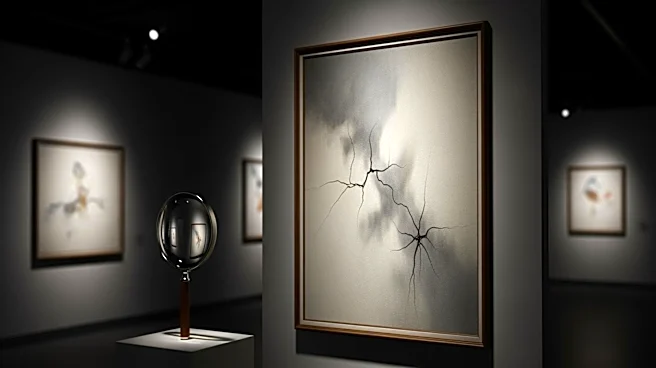
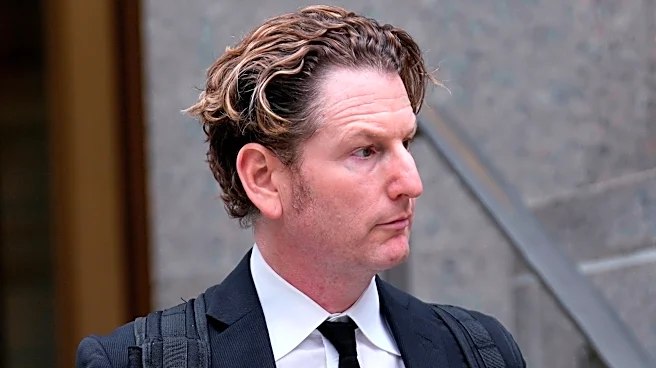
A father and daughter from New Jersey, Erwin Bankowski and Karolina Bankowska, have admitted in court to orchestrating a counterfeit art scheme that deceived art galleries and auction houses into purchasing forged paintings. These forgeries included works
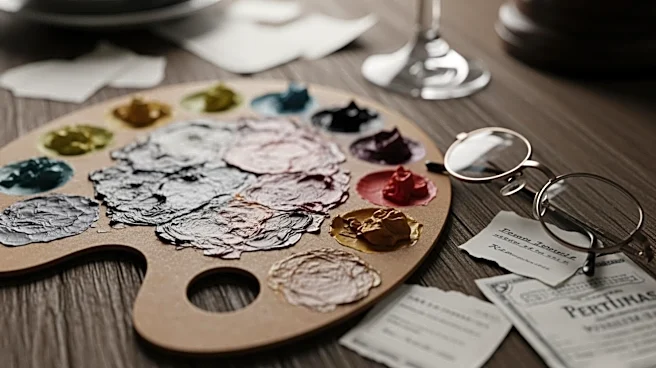
falsely attributed to renowned artists such as Andy Warhol, Banksy, and Pablo Picasso. The scheme, which began in 2020, involved commissioning an artist in Poland to create at least 200 fake artworks. The duo used antique paper and forged stamps to make the paintings appear authentic, even adopting the names of defunct galleries to lend credibility. The fraudulent activities resulted in defrauding buyers of at least $2 million. The most lucrative fake, attributed to artist Richard Mayhew, was sold for $160,000. Both Bankowski and Bankowska have expressed remorse in court, facing potential prison sentences and financial restitution.
Why It's Important?
This case highlights significant vulnerabilities within the art market, where the authenticity of artworks can be difficult to verify, leading to substantial financial losses for collectors and auction houses. The incident underscores the need for more rigorous authentication processes and due diligence in art transactions. The art world, often perceived as a domain of cultured and trustworthy individuals, is revealed to be susceptible to fraud, impacting its reputation and the trust of investors and collectors. The financial implications are considerable, with auction houses and buyers potentially facing losses and legal challenges. This case serves as a cautionary tale, emphasizing the importance of transparency and verification in art dealings.
What's Next?
The father and daughter face the possibility of over three years in prison under federal guidelines, along with $1.9 million in restitution. There is also the potential for their deportation to Poland. The art community may respond by implementing stricter verification processes to prevent similar frauds in the future. Auction houses involved in the scheme, such as DuMouchelles, Bonhams, and others, may review their authentication procedures to restore trust and prevent future incidents. Legal and financial repercussions for the involved parties are likely to unfold as the case progresses.
Beyond the Headlines
This case raises broader questions about the ethics and practices within the art market. The ease with which the forgeries were accepted by reputable auction houses suggests systemic issues in art authentication. The incident may prompt a reevaluation of how art is valued and authenticated, potentially leading to innovations in technology and methodology to detect forgeries. Additionally, the case highlights the global nature of art fraud, involving international actors and cross-border transactions, which may necessitate international cooperation in art crime investigations.