



What's Happening?
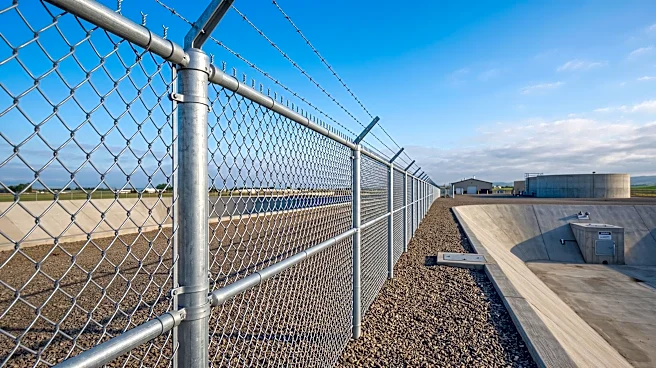
The South Dakota Board of Water and Natural Resources has allocated the final $6.1 million in federal funding from the American Rescue Plan Act (ARPA) for water infrastructure and quality improvement projects. This allocation completes the distribution
of over $703 million in ARPA funds that South Dakota received for water-related initiatives. The ARPA, signed into law by then-President Joe Biden in March 2021, provided $1.9 trillion to stimulate the national economy during the COVID-19 pandemic. South Dakota's Department of Agriculture and Natural Resources has overseen the funding of 199 water and infrastructure projects, with nearly $400 million dedicated to drinking water and approximately $300 million to wastewater and stormwater projects. The remaining funds supported broader water quality improvements across the state.
Why It's Important?
The final allocation of these federal funds marks a significant milestone for South Dakota's water infrastructure. The substantial investment of over $703 million has been described as leading to a 'water renaissance' in the state, according to Agriculture and Natural Resources Secretary Hunter Roberts in 2025. These projects are crucial for ensuring access to clean drinking water, improving wastewater management, and enhancing overall water quality, which directly impacts public health and environmental sustainability. The funding has supported 199 projects, indicating a widespread benefit across various communities. This initiative demonstrates how federal stimulus packages can translate into tangible, long-term improvements at the state level, addressing critical infrastructure needs and fostering economic development through construction and maintenance jobs.
What's Next?
With the final allocation of ARPA funds, the focus will now shift to the completion and ongoing maintenance of the funded water projects. The Department of Agriculture and Natural Resources, along with local water district leaders and contractors, will continue to oversee the implementation and operational phases of these initiatives. The long-term impact of these investments will be monitored, particularly regarding improvements in water access, quality, and infrastructure resilience. Future state budgets and federal funding opportunities will likely need to address ongoing water infrastructure needs, as these systems require continuous investment and upgrades. The success of these ARPA-funded projects may also serve as a model for future infrastructure development strategies in South Dakota.
Beyond the Headlines
The extensive investment in South Dakota's water infrastructure through ARPA funds highlights a broader national trend of utilizing federal stimulus to address long-standing infrastructure deficits. This 'water renaissance' not only improves public services but also has significant environmental implications, contributing to healthier ecosystems and more sustainable resource management. The collaborative effort between state departments, local districts, and contractors underscores the complex coordination required for large-scale infrastructure projects. Furthermore, the successful deployment of these funds can serve as a case study for other states on how to effectively leverage federal aid for critical public works, demonstrating the potential for significant positive change when resources are strategically allocated to essential services like water infrastructure.