






What's Happening?
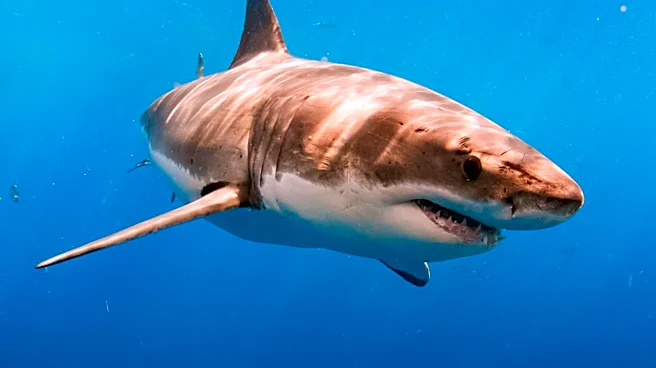
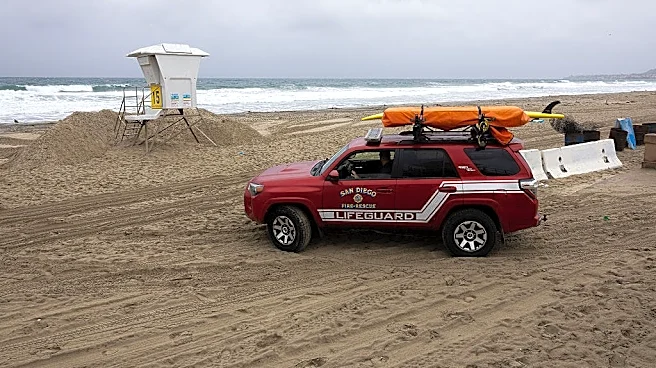
Huntington Beach officials have closed a section of its waters after an aggressive 10- to 12-foot great white shark was spotted near Lifeguard Tower 16. The Huntington Beach Fire Department issued the closure from Seapoint Street to the Huntington Beach Pier,
effective until Wednesday afternoon. The sighting occurred shortly before 5 p.m. on Tuesday. This incident follows a series of unusual marine-life encounters off Southern California, which experts link to unusually warm ocean temperatures caused by a powerful El Niño pattern. Recent sightings in the region have included two sea turtles nesting on Orange County beaches for the first time on record, a rare hammerhead shark off Malibu, a whale shark, and venomous sea snakes along the Southern California coast. Officials have urged the public to obey posted signs and lifeguard instructions.
Why It's Important?
The closure of Huntington Beach waters due to an aggressive shark sighting highlights the increasing interaction between marine life and human activity, potentially driven by changing environmental conditions. The unusual marine sightings, including the great white shark, hammerhead shark, whale shark, and sea turtles, suggest a significant shift in ocean ecosystems along the Southern California coast. This phenomenon, attributed to the powerful El Niño pattern and warmer ocean temperatures, could have long-term implications for coastal communities, tourism, and marine conservation efforts. The presence of apex predators like great white sharks in popular swimming areas raises public safety concerns and necessitates rapid response protocols from local authorities. Furthermore, these events underscore the broader impact of climate patterns on marine biodiversity and the potential for new challenges in coastal management and public education regarding marine safety.
What's Next?
The Huntington Beach Fire Department expects the water closure from Seapoint Street to the Huntington Beach Pier to remain in effect until 3 p.m. Wednesday. Officials will likely conduct further patrols and assessments before reopening the waters to the public. Researchers, such as those from the Cal State Long Beach Shark Lab, may deploy drones and other tracking methods to confirm the sighting and monitor shark activity in the area. The ongoing warm ocean temperatures due to the El Niño pattern suggest that similar unusual marine-life encounters could continue, prompting authorities to maintain heightened vigilance and potentially revise long-term coastal safety guidelines. Public awareness campaigns regarding marine safety and the impact of changing ocean conditions may also be initiated or reinforced.
Beyond the Headlines
The recurring unusual marine sightings in Southern California, particularly the presence of an aggressive great white shark, point to deeper ecological shifts influenced by climate patterns. The El Niño phenomenon, characterized by warmer ocean temperatures, is altering the migratory patterns and habitats of various marine species. This could lead to more frequent encounters between humans and marine life, raising questions about the long-term sustainability of coastal recreational activities and the need for adaptive management strategies. The ethical implications of human encroachment into marine habitats and the responsibility of individuals and communities to understand and respect these changing dynamics are also brought to the forefront. These events serve as a stark reminder of the interconnectedness of global climate systems and local ecosystems, urging a reevaluation of human interaction with the natural world.