
What's Happening?
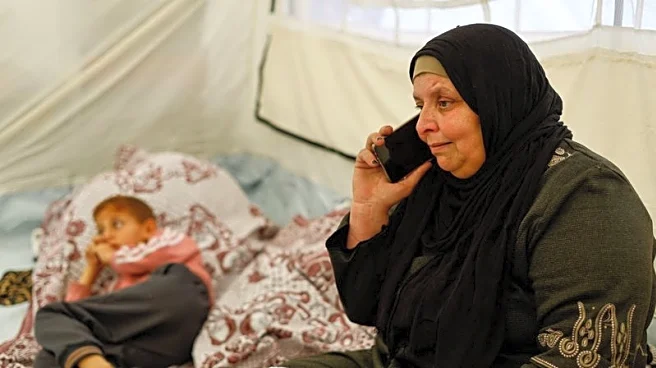
Gaza's health system is nearing collapse due to severe shortages of medical supplies, exacerbated by Israeli restrictions. Munir al-Barsh, director-general of Gaza's Ministry of Health, described the situation
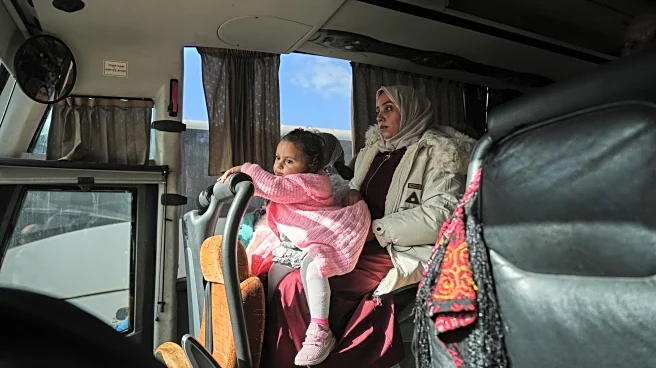
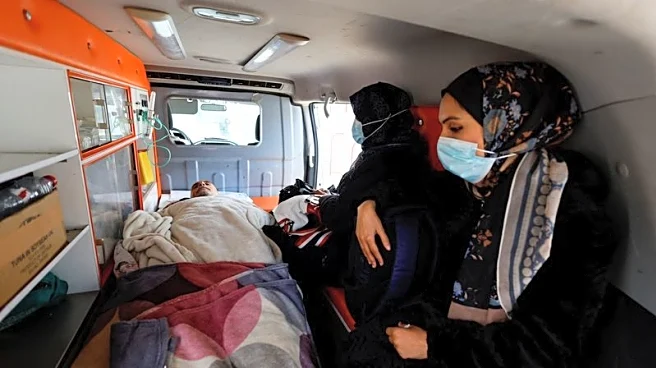
as 'tragic and horrific,' with critical shortages in surgical consumables, anaesthetics, and dialysis supplies. Power outages and a lack of generators further hinder medical operations. The blockade has led to long waiting lists for patients needing treatment outside Gaza, with over 1,156 patients dying while awaiting permission to travel. The humanitarian crisis is compounded by the risk of malnutrition among 320,000 children under five and the precarious conditions faced by 40,000 displaced pregnant women.
Why It's Important?
The blockade's impact on Gaza's health system highlights the severe humanitarian crisis in the region. The inability to access essential medical supplies and treatment poses a significant threat to public health, potentially leading to increased mortality and long-term health issues. The situation underscores the urgent need for international intervention to ensure the flow of humanitarian aid and medical supplies. The ongoing crisis also raises ethical concerns about the treatment of civilians in conflict zones and the responsibilities of occupying powers under international law.
What's Next?
Immediate action is required to alleviate the humanitarian crisis in Gaza. International pressure on Israel to lift the blockade and allow the flow of medical supplies is crucial. Humanitarian organizations may need to increase their efforts to provide aid and support to the affected population. The situation also calls for renewed diplomatic efforts to address the underlying conflict and ensure long-term stability and peace in the region.