





What's Happening?
Maintaining optimal gut health is significantly influenced by diet, lifestyle, and medical management. Health experts emphasize the importance of a balanced diet rich in fiber, prebiotics, and probiotics to support a healthy gut microbiome. Foods such
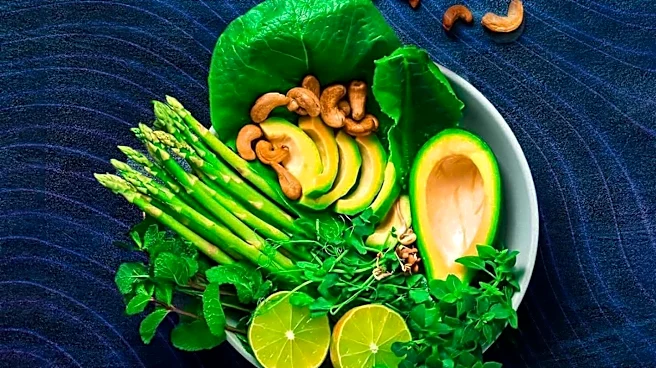
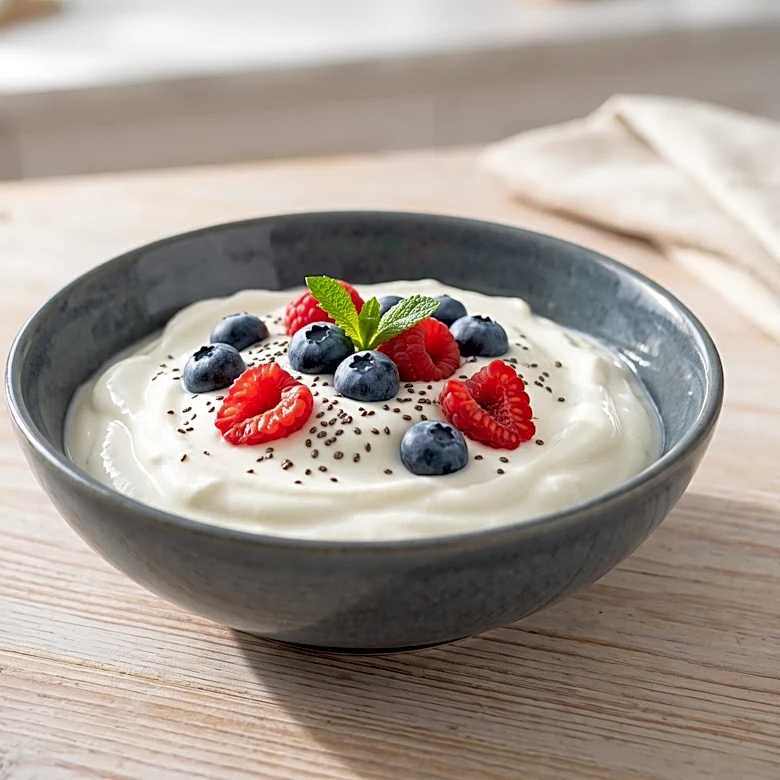
as garlic, onions, cauliflower, mushrooms, bananas, pears, edamame, and pumpkin are highlighted for their beneficial fiber content and other nutrients. These components contribute to the growth of beneficial gut bacteria and the production of short-chain fatty acids, which are vital for the intestinal lining and overall gut barrier function. Regular consumption of fermented foods like yogurt, which contains live cultures, is also recommended. Conversely, limiting ultra-processed foods, which are often high in sugar, salt, fat, and additives, is advised as they can negatively alter the gut microbiome balance. Adequate hydration and sufficient sleep, along with regular exercise, are also identified as key lifestyle factors that contribute to a stable and diverse gut microbiome.
Why It's Important?
The emphasis on gut health through dietary and lifestyle choices has significant implications for public health in the U.S. A healthy gut microbiome is crucial for digestion, immune system function, and even cognitive health, as purple and blue foods containing anthocyanins are linked to brain health. The prevalence of ultra-processed foods in the American diet poses a challenge, as their regular consumption can disrupt the delicate balance of gut bacteria, potentially leading to various health issues. Promoting fiber-rich diets and probiotic intake could lead to a reduction in digestive problems and chronic diseases linked to poor gut health. This shift could also impact the food industry, encouraging the development and marketing of healthier, gut-friendly products. For individuals, understanding these connections empowers them to make informed dietary choices that can improve their overall well-being and potentially reduce healthcare costs associated with gut-related ailments.
What's Next?
Moving forward, there is likely to be continued research into the complex interplay between diet, the gut microbiome, and overall health. This could lead to more specific dietary recommendations and personalized nutrition plans tailored to individual gut profiles. The food industry may respond by increasing the availability of fiber-rich, prebiotic, and probiotic-fortified foods, as well as clearer labeling to help consumers identify gut-friendly options. Public health campaigns might intensify efforts to educate the population on the benefits of a diverse, colorful diet and the risks associated with ultra-processed foods. Healthcare providers may also integrate gut health assessments and dietary counseling more routinely into patient care. Furthermore, the development of new supplements or medical interventions targeting specific gut bacteria or metabolic pathways could emerge, offering additional avenues for managing and improving gut health.
Beyond the Headlines
The focus on gut health extends beyond immediate dietary advice, touching upon broader societal and scientific implications. The concept of 'eating the rainbow' underscores a holistic approach to nutrition, suggesting that a wide variety of plant-based foods provides a comprehensive spectrum of beneficial compounds. This perspective challenges the reductionist view of nutrition, where individual nutrients are isolated, and instead promotes the synergistic effects of whole foods. Ethically, this movement encourages sustainable food systems that prioritize diverse agricultural practices, moving away from monocultures that often support processed food production. Scientifically, ongoing research into the gut-brain axis and the role of short-chain fatty acids in inflammation and immunity highlights the profound and often underestimated influence of the gut on systemic health. This deeper understanding could revolutionize treatments for conditions ranging from autoimmune diseases to mental health disorders, positioning gut health as a cornerstone of preventive medicine and long-term well-being.