




What's Happening?
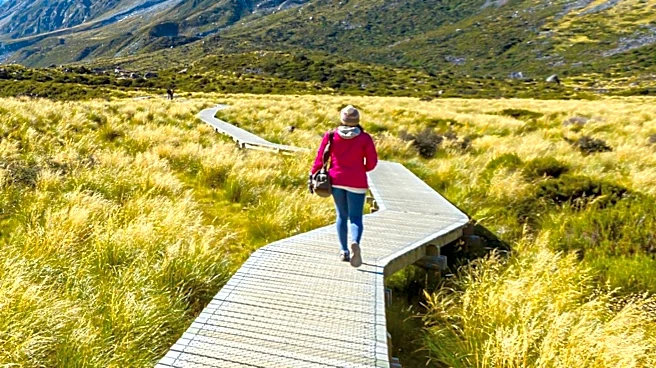
Experts from Much Better Adventures, James Desmond and Chris Kearney, have provided crucial safety advice for individuals planning hiking trips in U.S. National Parks. Their recommendations emphasize preparedness and awareness to ensure a safe outdoor
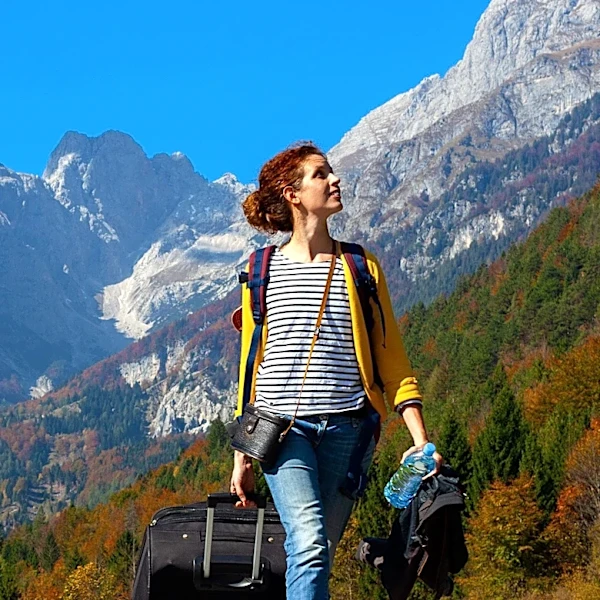
experience. Key items to bring include a 20-30L daypack, 2 liters of water, moisture-wicking layers, sun protection, a basic first-aid kit, high-energy snacks, and a buff or neck scarf. They also suggest choosing parks with varied difficulty levels, such as Zion, Bryce Canyon, and Yosemite National Parks, which cater to different experience levels. First-time hikers are encouraged to prepare by undertaking local walks on uneven terrain to break in boots and simulate hiking conditions. Additionally, hikers should always have a reliable navigation method, inform someone of their itinerary, carry sufficient food and water, and have emergency equipment with backup plans.
Why It's Important?
This safety advice is vital for the increasing number of Americans engaging in outdoor recreation, particularly in national parks. Adhering to these guidelines can significantly reduce the risk of accidents, injuries, and getting lost, thereby enhancing public safety and the overall enjoyment of natural spaces. For the U.S. tourism and outdoor recreation industries, promoting safe practices helps maintain the appeal and accessibility of national parks, which are significant economic drivers for many rural communities. Reduced incidents can also alleviate the strain on search and rescue services and park resources. Furthermore, by encouraging proper preparation, these recommendations foster a culture of responsible outdoor activity, ensuring the long-term sustainability and preservation of these natural treasures for future generations. The emphasis on preparation also empowers individuals to take ownership of their safety, making outdoor adventures more accessible and less daunting.
What's Next?
National Park Services and outdoor recreation organizations are likely to continue disseminating and integrating such expert advice into their public information campaigns and visitor guidelines. There may be increased emphasis on educational programs and resources for hikers, especially those new to national parks. Retailers of outdoor gear could see a continued demand for the recommended safety items, potentially leading to promotions or specialized kits tailored to national park visitors. Furthermore, as technology evolves, there might be an integration of digital tools and apps that incorporate these safety protocols, such as GPS-enabled emergency beacons or digital checklists for packing. The ongoing focus will be on making this information readily available and actionable for all visitors, ensuring a safer and more enjoyable experience across the diverse landscapes of U.S. national parks.
Beyond the Headlines
Beyond the immediate safety implications, this advice underscores a broader societal trend towards reconnecting with nature and the growing popularity of outdoor activities. It highlights the delicate balance between encouraging exploration and ensuring visitor well-being in vast, often unpredictable natural environments. The recommendations also touch upon the ethical responsibility of individuals to be self-sufficient and prepared, rather than solely relying on rescue services. This shift towards personal accountability can foster a deeper respect for nature and an understanding of its inherent risks. Culturally, the emphasis on preparedness reflects a pragmatic approach to adventure, moving away from spontaneous, ill-equipped excursions towards thoughtful, informed exploration. This could lead to a more sustainable model of tourism where visitors are not only consumers of natural beauty but also stewards of their own safety and the environment.