




What's Happening?
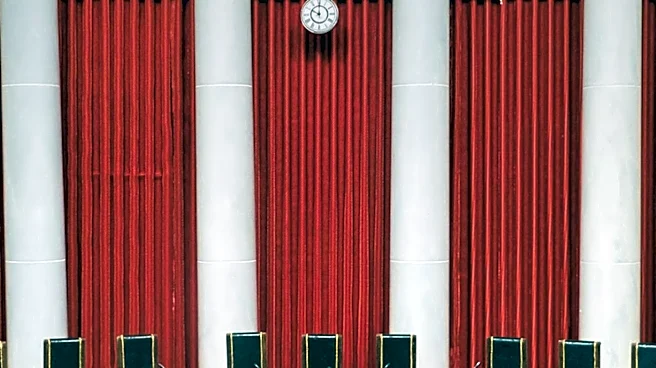
The United States Supreme Court has lifted one of two injunctions that were blocking parts of President Trump’s executive order restricting mail-in voting. This decision, made with the three liberal justices dissenting, impacts the administration of elections
ahead of the November midterm elections. While one injunction was lifted, another remains in place, indicating that the full legality of the executive order has not yet been definitively decided by the Court. The immediate effect of this ruling is practical, as emergency decisions from the Supreme Court can alter how elections are administered even before the constitutional merits of a dispute are fully resolved. The specific details of which parts of the order are now enforceable and which remain blocked were not fully elaborated in the provided source, but the action signifies a partial victory for the administration's efforts to regulate mail-in voting.
Why It's Important?
This Supreme Court action is significant because it directly affects the procedures for mail-in voting, a method that has become increasingly central to U.S. elections, particularly in recent years. The partial lifting of the injunction could lead to changes in how some states manage absentee ballots or other forms of remote voting, potentially impacting voter access and participation in the upcoming midterm elections. For President Trump's administration, this represents a step forward in its efforts to tighten voting regulations, often citing concerns about election integrity. Conversely, those who advocate for broader mail-in voting access may view this as a setback, as it could introduce new hurdles for voters. The ongoing legal battle over the executive order highlights the deep partisan divisions surrounding election administration and the critical role the judiciary plays in shaping electoral processes. The Court's decision, even if temporary, can create uncertainty and require rapid adjustments from election officials and voters alike.
What's Next?
While one injunction has been lifted, another remains in place, meaning the full scope of President Trump's executive order on mail-in voting is still subject to legal challenge. The Supreme Court has not yet ruled on the ultimate legality of the order, suggesting that further litigation and a final decision on the merits are likely in the future. Election administrators in affected states will need to quickly assess the implications of this partial lifting of the injunction and adjust their procedures accordingly for the November midterm elections. Political leaders and civil society groups on both sides of the issue will likely continue to monitor the situation closely, with advocates for voting rights potentially pursuing further legal avenues to challenge the remaining restrictions, and the administration continuing to defend its executive order. The outcome of the midterm elections themselves could also influence the political will to pursue or challenge such voting regulations in the long term.
Beyond the Headlines
This Supreme Court decision delves into the broader debate about the balance between election security and voter access, a recurring theme in U.S. politics. Executive orders on voting procedures, especially those issued close to an election, often raise questions about federal overreach and states' rights in managing their own elections. The dissenting liberal justices underscore the contentious nature of these issues and the ideological divides within the Court itself. This case also highlights the power of emergency rulings by the Supreme Court to influence real-world outcomes, even before a full legal review. It reflects a trend where election administration has become a highly politicized battleground, with each side seeking to shape the rules in ways they believe will benefit their electoral prospects. The long-term implications could include a continued push for federal intervention in election laws, further legal challenges to voting procedures, and an ongoing national conversation about the future of democratic participation.