





What's Happening?
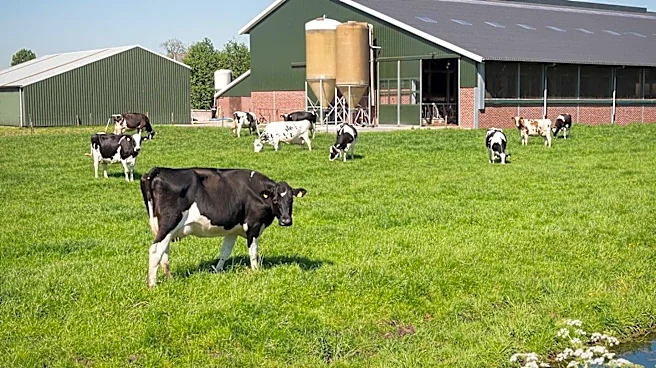
Warren County, New Jersey, is planning to establish a meat-processing center to support local livestock farmers who currently face challenges due to the lack of USDA-certified slaughterhouses in the state. Farmers like Chad Muckenfuss have to transport
their livestock to Pennsylvania for processing, which is costly and time-consuming. The proposed facility aims to alleviate these issues by providing a local option for processing meat. The initiative is backed by state officials and includes legislative efforts to expedite permitting and provide tax incentives. The project is expected to begin construction within the next 18 months, with the goal of supporting the state's livestock industry and reducing reliance on out-of-state facilities.
Why It's Important?
The establishment of a local slaughterhouse in Warren County is crucial for New Jersey's livestock industry, which has been hampered by the absence of in-state processing facilities. This development is expected to reduce costs and logistical challenges for farmers, ultimately benefiting consumers with more accessible local meat products. The project also addresses broader economic concerns, as it aims to revitalize the agricultural sector in New Jersey, which has seen a decline in support industries due to suburban sprawl. By creating a sustainable local supply chain, the initiative could enhance the state's resilience to economic disruptions and support the growth of the agricultural workforce.
What's Next?
The next steps involve securing the necessary funding and completing site remediation for the proposed facility. State officials are working on legislative measures to support the project, including bills to provide financial incentives and expand vocational training for the meat-processing industry. The facility is expected to handle thousands of animals annually and create jobs, contributing to the local economy. As the project progresses, it may face challenges related to environmental concerns and community opposition, but proponents believe it will ultimately benefit the state's agricultural landscape.