




What's Happening?
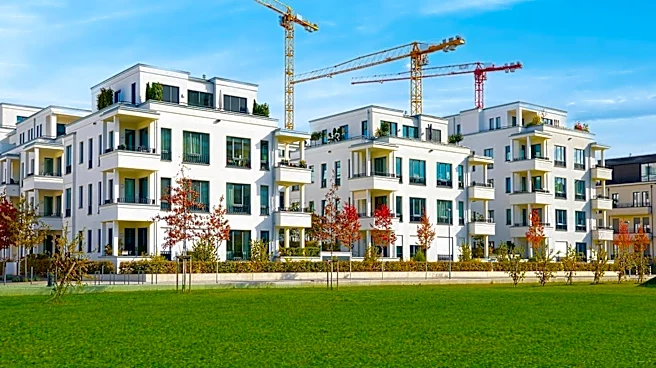
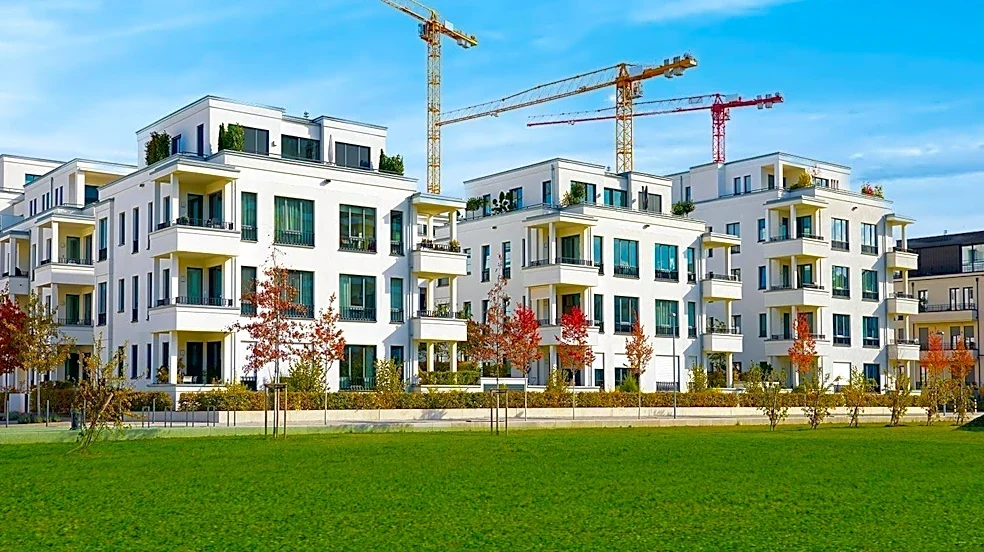
The Durham Housing Authority (DHA) is advancing its efforts to redevelop aging public housing properties into mixed-income housing, a strategy aimed at creating more sustainable funding for subsidized units. This initiative involves transferring DHA tenants
from traditional public housing to the Housing Choice Voucher (Section 8) program, which is better funded. While redevelopment is progressing, with projects like Dillard Street Apartments set for completion this year and others by 2028, many existing sites continue to face significant maintenance issues. DHA officials informed the Durham City Council that there are 3,000 open work orders, with a substantial number in the Cornwallis neighborhood, which has been without a property manager for months. The U.S. Department of Housing and Urban Development (HUD) has deemed DHA's public housing program 'troubled' due to federal standards related to financial stability, physical property condition, management practices, and occupancy levels. This designation is partly attributed to unpaid rent, which totals $2.75 million, and carbon monoxide leaks that led to mass evacuations in 2020, depleting cash reserves.
Why It's Important?
The DHA's redevelopment strategy is crucial for addressing the chronic underfunding of public housing in the U.S. By converting properties into mixed-income housing and utilizing Section 8 vouchers, DHA aims to generate revenue from market-rate units to support the upkeep of subsidized housing, moving away from sole reliance on insufficient federal funding. This approach also seeks to deconcentrate poverty by integrating voucher-assisted residents into buildings with market-rate tenants. However, the persistent maintenance issues and the 'troubled' designation by HUD highlight systemic challenges within public housing authorities nationwide. The backlog of capital needs, estimated at $60 million over five years against an annual federal allocation of $2 million to $3 million, underscores a critical funding gap. This situation directly impacts the quality of life for thousands of residents, with reports of 'unimaginable conditions' and unresolved housing code violations, emphasizing the urgent need for sustainable solutions to provide safe and affordable housing.
What's Next?
DHA plans to continue its redevelopment projects, with several sites scheduled for completion in the coming years and an additional six throughout the next decade. As part of this process, residents will be moved from aging public housing units to newer buildings with voucher support, with a right to return once construction is complete. DHA is also working to address the backlog of capital needs at its three largest and oldest properties—McDougald Terrace, Cornwallis, and Oxford Manor—which are over 50 years old and have not been substantially renovated. Efforts include upgrading electrical and HVAC equipment and transitioning all housing units off gas appliances to mitigate carbon monoxide risks. The housing authority is also intensifying lease enforcement for tenants with high balances and those involved in disruptive or criminal behaviors to improve financial stability. The long waitlists for both vouchers (26,000 people) and public housing (2,146 people) indicate that the demand for affordable housing in Durham far outstrips the current supply, suggesting continued pressure on DHA to expand its capacity and improve existing conditions.
Beyond the Headlines
The challenges faced by the Durham Housing Authority reflect a broader national crisis in public housing, where federal funding has not kept pace with rising operational costs and the aging infrastructure of public housing facilities. The shift towards mixed-income housing and Section 8 vouchers, while offering a potential path to financial sustainability and poverty deconcentration, also raises questions about the long-term commitment to traditional public housing and the potential for displacement during redevelopment. The 'troubled' designation by HUD and the severe maintenance issues underscore the ethical implications of allowing residents to live in substandard conditions. This situation highlights the complex interplay between federal policy, local housing authority management, and the socio-economic well-being of vulnerable populations. The success of DHA's redevelopment efforts will not only depend on securing adequate funding but also on effectively managing the transition for residents and ensuring that the promise of safe, affordable housing is realized without exacerbating existing inequalities.