




What's Happening?
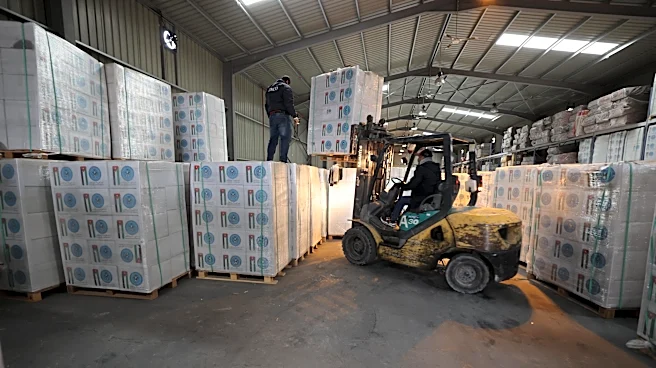
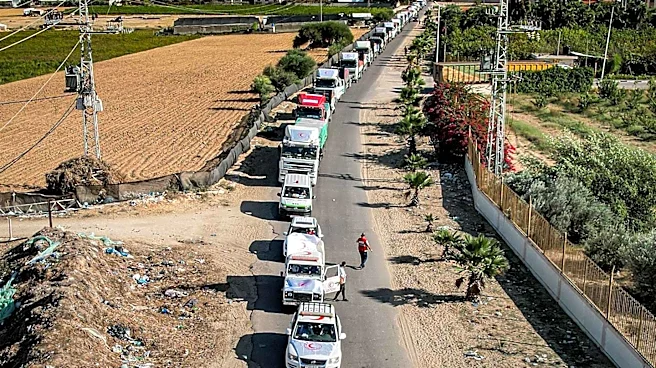
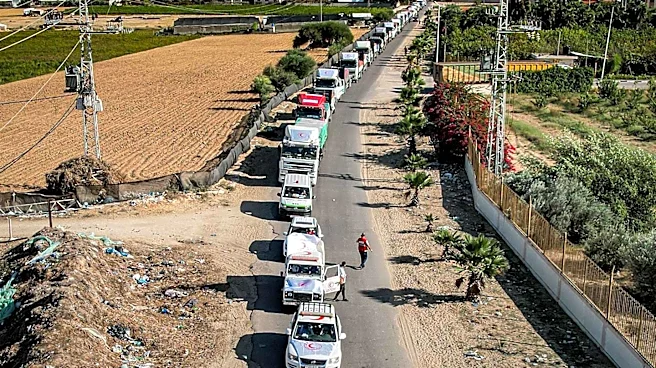
The International Court of Justice (ICJ) has issued orders requiring Israel to take all necessary and effective measures to ensure the unhindered provision of urgently needed basic services and humanitarian assistance to Palestinians throughout Gaza.
This directive, issued on March 28, 2024, mandates Israel to cooperate fully with the United Nations, increase the capacity and number of land crossings, and maintain them open as long as necessary. The Court also instructed Israel to prevent its military from committing acts that violate protected rights under the Genocide Convention, specifically including the prevention of humanitarian deliveries. Furthermore, on May 24, 2024, the ICJ reaffirmed its earlier measures and ordered Israel to keep the Rafah crossing open for humanitarian aid, linking this to the deteriorating conditions caused by military operations in Rafah. The Court also required Israel to halt its military offensive and any other actions in the Rafah Governorate that could lead to the physical destruction of Palestinians in Gaza, in whole or in part. These provisional measures are legally binding, though they do not represent final findings on whether Israel has committed genocide.
Why It's Important?
These ICJ orders underscore the critical legal obligations of an occupying power under international law, particularly concerning humanitarian aid. The rulings highlight that Israel, as the occupying power, has a responsibility to ensure adequate supplies for the population in Gaza and must facilitate relief schemes involving the United Nations and its entities, including UNRWA. The Court explicitly rejected the notion that security concerns can serve as an independent justification for disregarding international humanitarian law, emphasizing that any limitations must be grounded in applicable legal rules and exercised in good faith. This has significant implications for the conduct of military operations and humanitarian access in conflict zones globally, setting a precedent for how international law views the balance between security and humanitarian imperatives. The rulings aim to alleviate severe humanitarian suffering and reinforce the principle that civilian populations in occupied territories are entitled to protection and essential aid.
What's Next?
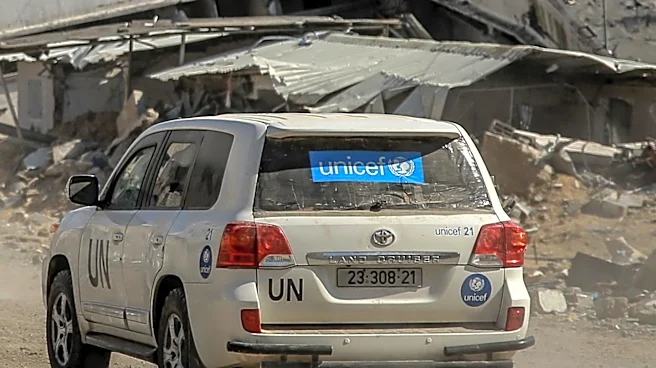
Following the ICJ's orders, the immediate next steps involve Israel's compliance with the directives to increase humanitarian aid access and ensure its unhindered provision. This includes opening more land crossings, maintaining the Rafah crossing, and cooperating with UN agencies. The international community, particularly the United Nations and its member states, will likely monitor Israel's adherence to these orders closely. Further legal actions or diplomatic pressures could arise if compliance is deemed insufficient. The ongoing proceedings in the South Africa v. Israel case will continue to examine claims of genocidal intent and state responsibility under the Genocide Convention, with the provisional measures serving as interim protections. The advisory opinion issued by the ICJ on October 22, 2025, further clarified Israel's obligations regarding the presence and activities of the United Nations and other international organizations in the Occupied Palestinian Territory, which will guide future interactions and aid efforts.
Beyond the Headlines
The ICJ's rulings extend beyond immediate humanitarian relief, delving into fundamental aspects of international law, particularly occupation law and the Genocide Convention. The Court's emphasis on the unconditional nature of the obligation to facilitate relief schemes in inadequately supplied occupied territory sets a significant legal benchmark. It also addresses the legal standing and impartiality of organizations like UNRWA, affirming their crucial role in humanitarian efforts despite allegations against individual personnel. This judicial scrutiny reinforces the accountability of states in conflict situations and highlights the limitations on sovereign powers when humanitarian crises arise. The decisions contribute to the evolving interpretation of international humanitarian law, potentially influencing future conflicts and the responsibilities of occupying powers worldwide. The rulings also underscore the complex interplay between international legal frameworks, humanitarian principles, and geopolitical realities, shaping the discourse on human rights and state conduct in occupied territories.