
What's Happening?
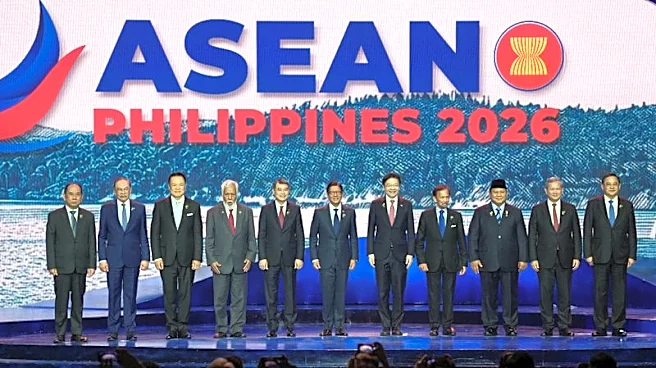
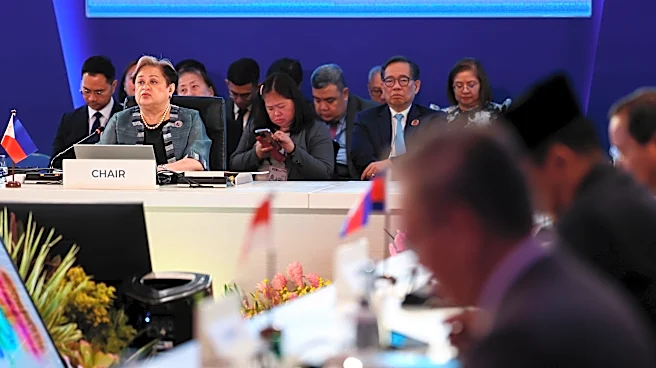
Southeast Asian leaders have adopted a contingency plan to mitigate the impact of the ongoing conflict in the Middle East, particularly the Iran war, on their economies and populations. The plan, discussed
at the ASEAN summit in Cebu, Philippines, includes establishing a regional fuel reserve, promoting electric vehicles, and exploring new energy technologies. The Philippines, heavily affected by fuel price spikes, hosted the summit. The plan aims to ensure a steady fuel supply and enhance regional cooperation, although implementation challenges remain.
Why It's Important?
The adoption of this crisis plan highlights the interconnectedness of global conflicts and their far-reaching impacts on regional economies. Southeast Asia's proactive approach to addressing potential disruptions underscores the importance of regional cooperation in times of crisis. The plan's focus on energy diversification and sustainability reflects a strategic shift towards long-term resilience. Successful implementation could serve as a model for other regions facing similar challenges, emphasizing the need for coordinated responses to global issues.
What's Next?
ASEAN countries will begin implementing the contingency plan, focusing on immediate actions like fuel sharing agreements. However, establishing a regional fuel stockpile and power grid will require significant coordination and investment. The ongoing conflict in the Middle East remains a concern, with potential implications for Southeast Asian citizens working in the region. ASEAN leaders will continue to monitor the situation and adjust their strategies as needed to protect their economies and populations.