







What's Happening?
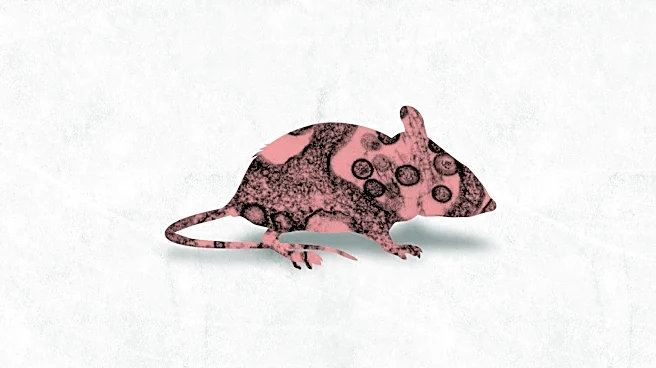
A recent study conducted by researchers at Washington State University has uncovered that the Sin Nombre virus, a hantavirus causing severe respiratory illness in humans, is more prevalent in rodent populations in the Pacific Northwest than previously
thought. The study, published in the CDC's Emerging Infectious Diseases journal, focused on the Palouse region of Washington and Idaho. It found that nearly 30% of rodents tested had past infections, and about 10% were actively carrying the virus. The Sin Nombre virus, primarily found in deer mice, can spread to humans through inhalation of airborne particles from contaminated rodent droppings, urine, or nesting materials. The study's findings highlight the complexity and widespread nature of the virus in local rodent populations, with researchers noting the high genetic diversity and potential for viral reassortment. Despite the prevalence in rodents, human infections remain rare, though the study suggests that some cases may go unnoticed.
Why It's Important?
The discovery of the Sin Nombre virus's widespread presence in the Pacific Northwest has significant public health implications. The virus, which causes hantavirus pulmonary syndrome, has a high fatality rate, making it crucial for public health officials to understand its distribution and transmission dynamics. The study's findings could lead to improved surveillance and testing, helping to track the virus's evolution and identify infection sources. For residents in affected areas, the research underscores the importance of taking precautions when in environments with potential rodent infestations. The study also raises awareness about the need for further research into how human behavior influences exposure risk and the gap between exposure and disease manifestation.
What's Next?
Researchers aim to expand their work to better understand the frequency of human exposure to the virus and how it translates into disease. This could involve studying human behavior in relation to rodent habitats and increasing public awareness about preventive measures. Public health officials may use the genetic data from the study to enhance monitoring efforts and develop strategies to mitigate the risk of human infections. Additionally, securing further funding could allow for more comprehensive studies, potentially leading to new insights into the virus's transmission and impact on human health.