






What's Happening?
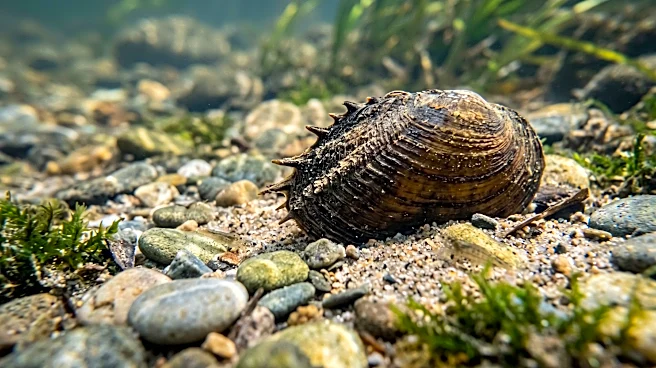
The Georgia Department of Natural Resources (DNR) has confirmed the rediscovery of the federally endangered Altamaha spinymussel, a rare freshwater species native to Georgia. After more than a decade without any sightings, and with many believing the species to be extinct,
DNR Aquatics Biologist Zach Schumber found a specimen in the Ocmulgee River in early July. The Altamaha spinymussel is distinctive for its shell, which features four to six spines up to an inch long. The species was added to the endangered list by the U.S. Fish and Wildlife Service in 2011 and has been in decline since the late 1970s for unknown reasons. This finding provides a glimmer of hope for the species, which is found exclusively in the Altamaha River Basin in Georgia.
Why It's Important?
The rediscovery of the Altamaha spinymussel is a significant event for biodiversity conservation efforts in the U.S., particularly in Georgia. This species is endemic to the Altamaha River Basin, meaning its survival is crucial for the unique aquatic ecosystem of the region. Its presumed extinction would have represented a permanent loss of genetic diversity and a potential indicator of broader environmental degradation within its habitat. The finding reignites conservation efforts and research into the species' population, habitat requirements, and the factors contributing to its decline. It also underscores the importance of ongoing fieldwork and monitoring by state agencies like the Georgia DNR in protecting endangered species and understanding the health of freshwater systems.
What's Next?
Following this rediscovery, the Georgia DNR and other conservation organizations will likely intensify efforts to locate additional Altamaha spinymussel populations and study their habitats. Research will focus on understanding the reasons for its historical decline and identifying measures to protect and restore its environment. This may include water quality improvements, habitat restoration projects, and stricter regulations on activities that could impact the Altamaha River Basin. The U.S. Fish and Wildlife Service may also review its recovery plan for the species, potentially updating strategies based on this new information. Public awareness campaigns could also be launched to engage local communities in conservation efforts.
Beyond the Headlines
The rediscovery of the Altamaha spinymussel extends beyond immediate conservation implications, touching upon the broader ethical and ecological responsibilities of human interaction with natural environments. It serves as a powerful reminder that species once thought lost can persist, highlighting the resilience of nature and the potential for successful conservation outcomes. This event could inspire increased funding and political will for endangered species protection programs across the nation. Furthermore, it emphasizes the interconnectedness of ecosystems; the health of a seemingly small freshwater mussel can be an indicator of the overall health of a major river system, impacting everything from water quality to the survival of other aquatic life. The mystery surrounding its decline also points to the need for more comprehensive ecological research to prevent future biodiversity losses.