




What's Happening?
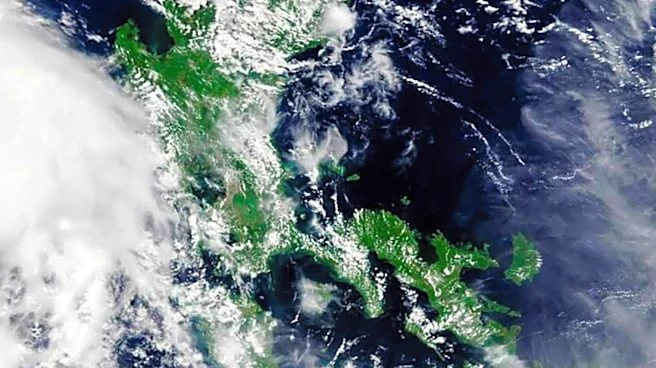
Chinese coast guard ships fired water cannons at Philippine fisheries vessels in the South China Sea, marking the third confrontation in the disputed waters within a week. The incident occurred near the Scarborough Shoal, a region claimed by both China and
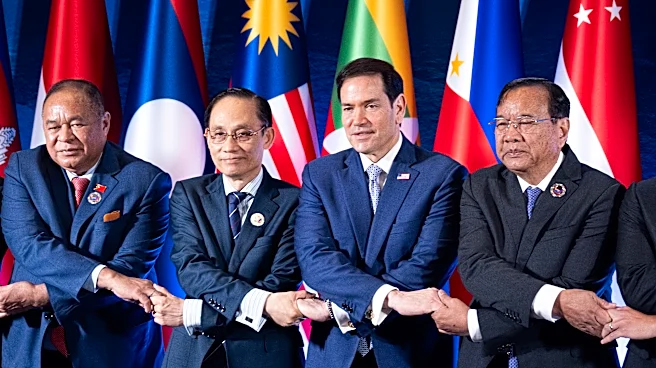
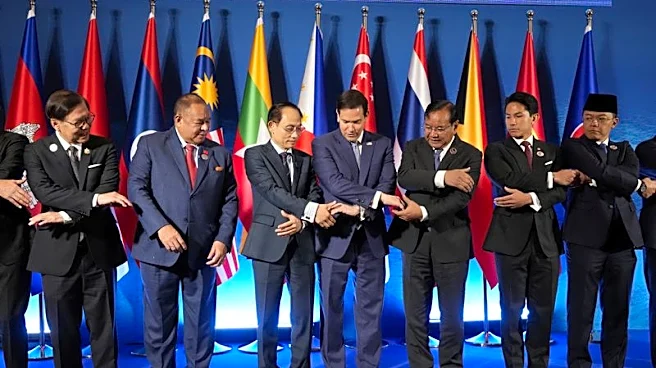
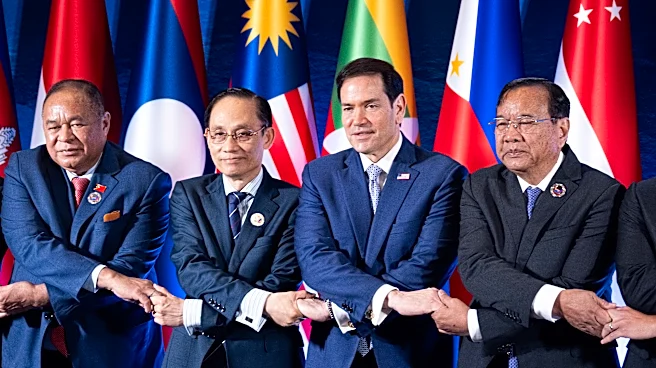
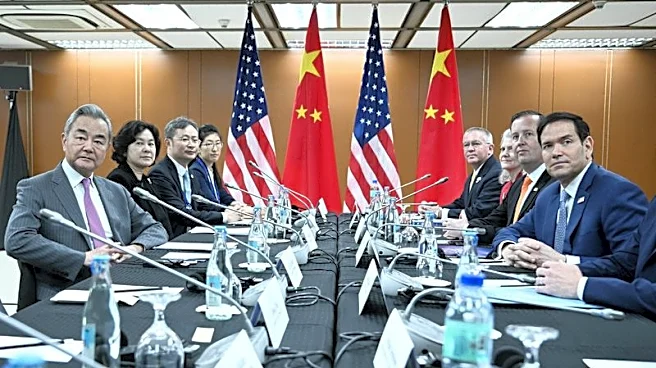
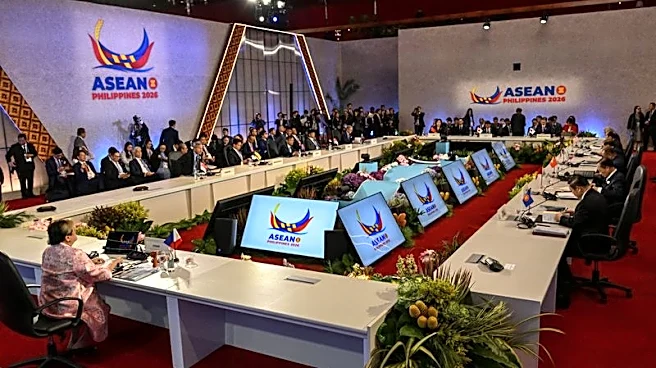
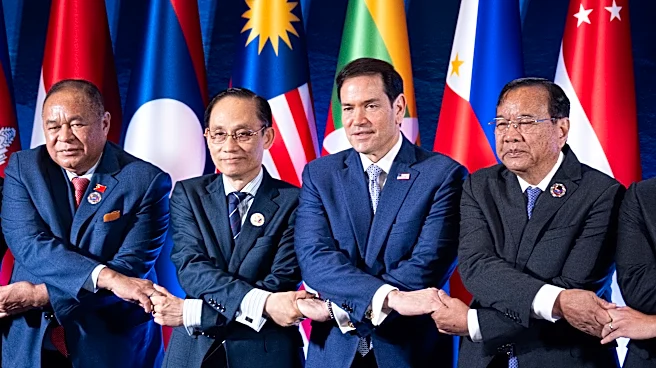
the Philippines. The Philippine coast guard condemned the actions as dangerous and unprofessional, asserting that the shoal is part of Philippine territory. This confrontation coincided with annual ministerial meetings in Manila, where Asian and Western governments expressed concerns over China's maritime aggression. The ASEAN foreign ministers discussed the disputes and emphasized the need for a nonaggression pact to prevent armed conflict in the region.
Why It's Important?
The incident highlights ongoing tensions in the South China Sea, a critical global trade route. China's assertive actions in the region have been a point of contention, particularly with the U.S. and its allies. The U.S. has criticized China's maritime claims and actions, which could lead to broader geopolitical conflicts. The situation underscores the importance of diplomatic efforts to manage territorial disputes and maintain regional stability. The outcome of these tensions could impact international trade, security, and diplomatic relations in the Asia-Pacific region.
What's Next?
Diplomatic efforts are likely to continue as ASEAN and its partners work towards a code of conduct to manage disputes in the South China Sea. The U.S. and other Western nations may increase their involvement in the region to support allies like the Philippines. China's response to international criticism and its future actions in the disputed waters will be closely monitored. The potential for further confrontations remains, with the risk of escalating into broader conflicts if not managed carefully.